If you’ve ever seen how movement, play, and connection can change someone’s day, you already understand the heart of therapeutic recreation. The Health and Wellness, BS with a Therapeutic Recreation emphasis at Lindenwood takes that instinct and turns it into a career path built on real impact.
This isn’t a program where you just learn concepts. You actively apply them, working with real people, real communities, and real outcomes from day one.
What Is Therapeutic Recreation?
Therapeutic recreation focuses on using activities like sports, games, arts, and wellness programs to improve physical, emotional, and social well-being. Professionals in this field work with individuals of all ages, including those with disabilities, injuries, or health conditions.
Students in this program are prepared to pursue certification through the National Council for Therapeutic Recreation Certification, setting them up for careers that blend healthcare, recreation, and human connection.
What Makes Lindenwood’s Program Stand Out
This is where the program really separates itself.
Students don’t just observe. They lead.
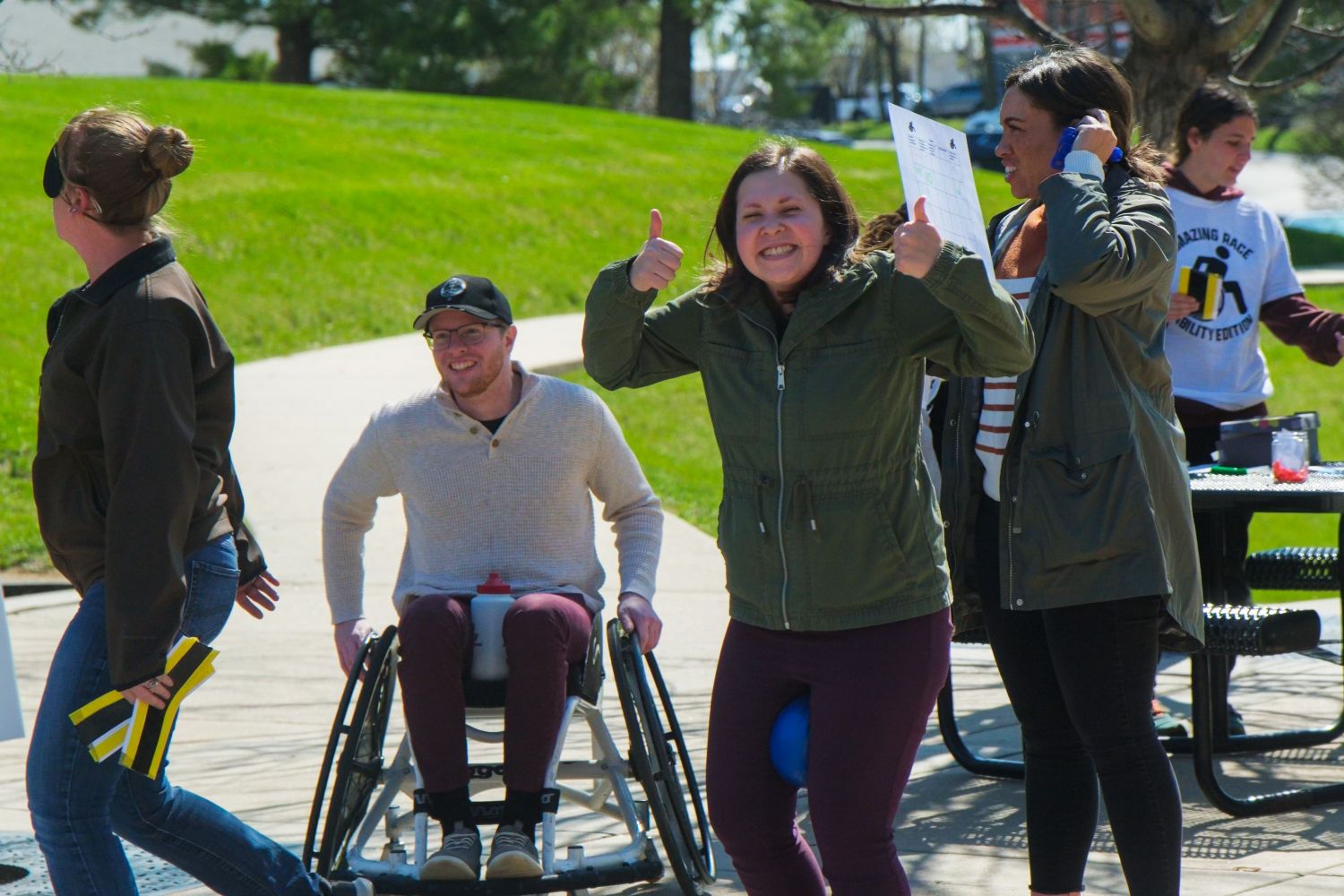
Each year, Lindenwood therapeutic recreation students serve 700 to 800 individuals through hands-on programming. That includes:
- Hosting large-scale campus events like the annual Amazing Race: Ability Edition
- Leading disability awareness days for elementary students
- Running wellness and recreation programs for community partners
- Working with organizations like MS Bright Spots of Hope and senior living communities
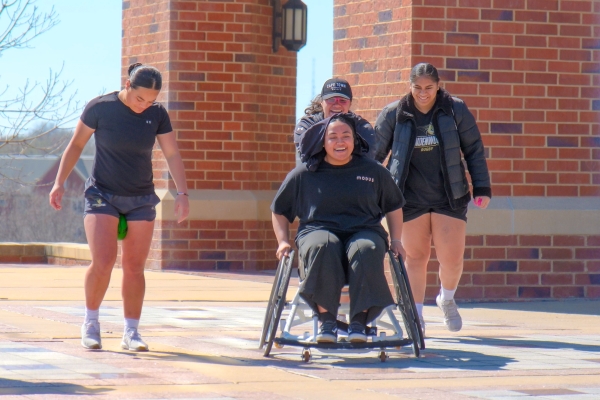
You’ll work with diverse populations and learn how to adapt programming to meet different needs. Every experience is grounded in the APIE process:
- Assess
- Plan
- Implement
- Evaluate
That means you’re not just participating. You’re learning how to think like a professional.
Hands-On Learning That Builds Real Skills
From your first courses through your internship, everything is designed to prepare you for the field.
You’ll explore areas like:
- Human anatomy, nutrition, and wellness
- Mental health and resiliency techniques
- Inclusive and adaptive recreation
- Program design and assessment
- Recreation therapy techniques and professional practices
Courses like Processes & Techniques in Therapeutic Recreation and Assessment Techniques in Therapeutic Recreation give you the tools to create meaningful, evidence-based programs.
And your internship ties it all together, giving you direct experience in a professional setting.
Career Paths in Therapeutic Recreation
Graduates are prepared for roles that make a tangible difference in people’s lives. Common career paths include:
- Certified Therapeutic Recreation Specialist (CTRS)
- Recreation therapist in hospitals or rehabilitation centers
- Program coordinator in community or nonprofit organizations
- Activities director in senior living communities
- Adaptive sports or inclusive recreation specialist
This is a field where your work is visible every day in the people you serve.
Why This Work Matters
Therapeutic recreation is about more than activities. It is about restoring independence, building confidence, and creating moments of joy and connection.
At Lindenwood, students don’t wait until graduation to start making that impact. They are already doing it, working in the community, learning through experience, and seeing firsthand how their work changes lives.
Start Making an Impact
If you’re looking for a career that combines health, wellness, and meaningful human connection, therapeutic recreation offers a path where your work truly matters.
And at Lindenwood, you won’t just learn how to do it. You’ll already be doing it.
FAQs About the Therapeutic Recreation Emphasis
You’ll gain hands-on experience working with real community partners and diverse populations, applying what you learn through structured programming and events.
Yes. The program prepares you to pursue certification through the National Council for Therapeutic Recreation Certification.
Students work with a wide range of groups, including children, older adults, and individuals with physical or developmental disabilities.
The level of hands-on experience is a major differentiator. Serving hundreds of individuals each year gives you real-world skills before you even graduate.