Skip Navigation
Accelerated Online Healthcare Administration, MHA
Date: March 23, 2026
Author: Alexandra Bardon
Categories: Health & Healthcare
Reading Time: 8 min

Executive Summary

The Master of Healthcare Administration, or MHA, is quickly emerging as the go-to degree for those eyeing leadership roles in the healthcare field. If you’ve got an MHA, you’re not just armed with crucial skills for strategic, system-level responsibilities. You’re also boosting your potential for a better paycheck. In fact, studies show that MHA graduates often earn significantly more than their counterparts without this degree. Just to give you an idea, entry-level salaries for MHA grads can kick off at impressive rates, with plenty of room for growth as they climb the executive ladder.

You might find this statistic interesting: a whopping 93.6% of graduates from Lindenwood University land a job or continue their education within just six months of graduating. This really shows how effective the MHA program is at promoting career advancements. Plus, forecasts suggest a solid demand for healthcare administration roles, predicting that job openings will rise well above the national average by 2025. If you’re thinking about pursuing an MHA.This tool will give you a clearer picture of your potential return on investment.

Demand and Labor Market Trends

The healthcare industry is booming like never before, thanks to advancements in technology, an aging population, and the ongoing need for effective healthcare delivery. The Bureau of Labor Statistics paints a pretty bright picture for medical and health services managers, forecasting a remarkable job growth of 28% from 2021 to 2031—much faster than the average for other occupations.

So, what’s driving this growth? Here are a few key factors:

  • Aging Populations: As people live longer, the demand for healthcare services keeps rising, which means skilled administrators are needed to manage resources effectively.
  • Technological Advancements: With the rise of telehealth and electronic health records, we’re seeing a shift in how healthcare is delivered. This creates a need for leaders who can navigate these evolving systems.
  • Policy Changes: Healthcare policies are constantly in flux, which opens the door for administrators who are adept at managing compliance and regulatory issues.

The increasing demand for professionals ready to tackle these challenges makes pursuing an MHA not just a smart move but also a strategic one. Knowing these trends helps prospective students align their educational goals with what the market needs, ensuring they’re well-prepared to meet the demands of a changing healthcare landscape.

Career Pathways Explained

When you earn an MHA degree, you open the door to a variety of leadership roles in the healthcare ecosystem. Here are some popular positions you might consider:

  • Hospital Administration
    • Chief Operating Officer (COO)
    • Chief Medical Officer (CMO)
    • Chief Financial Officer (CFO)
  • Health System Operations
    • Director of Operations
    • Health Information Manager
  • Ambulatory Care and Long-term Care
  • Payer/Managed Care
  • Consulting and Policy Leadership
  • Health IT Leadership

Each of these roles requires a distinct skill set, and MHA programs are specifically designed to develop them. You’ll gain expertise in financial management, human resources, healthcare policy, and strategic planning, empowering you to lead teams and drive meaningful change within organizations.

By getting familiar with the healthcare administration landscape, prospective students can see the vast opportunities available and choose an educational path that truly aligns with their career aspirations.

Typical Job Descriptions

To give you a better idea of what healthcare leaders do day-to-day, here are some snapshots of key roles:

  • Chief Executive Officer (CEO): Responsible for the entire organization, the CEO leads strategic planning efforts, ensures financial health, and builds effective teams.
  • Chief Operating Officer (COO): This role focuses on the daily operations of a healthcare facility, ensuring services are delivered smoothly and comply with regulations.
  • Director of Operations: Here, the emphasis is on managing specific departments, driving process improvements, enhancing patient care, and optimizing how resources are allocated.

Looking at these roles highlights the diverse responsibilities and expectations that leaders in healthcare face. Each position plays a vital role in creating a responsive and efficient healthcare environment, making the MHA an important stepping stone for those aspiring to lead.

MHA vs. MBA in Healthcare

As you explore graduate programs, you might wonder whether to pursue an MHA or an MBA with a healthcare focus. While both degrees provide valuable skills, they offer different perspectives:

  • MHA Degree: This program zeroes in on healthcare-specific management practices, policies, and strategic planning tailored for the healthcare arena. It’s designed to prepare you for administrative roles within hospital systems and other healthcare organizations.
  • MBA in Healthcare: The MBA option provides a broader view of business practices that can apply across various industries. If you’re thinking about diversifying your career options beyond healthcare, this could be a good fit.

Ultimately, the right program for you depends on your career goals. If you’re all in on a management role in healthcare, an MHA will likely serve you better, while an MBA might be the way to go if you’re looking for a more general business perspective.

Salary Expectations for MHA Graduates

Understanding the financial upside of earning an MHA is crucial for anyone considering this path. Research indicates that healthcare administrators with an MHA earn significantly more than those without the degree. Here’s a quick breakdown of what you might expect:

  • Entry Level: Around $70,000 to $80,000
  • Mid-Level Positions: Typically between $90,000 and $120,000
  • Executive Levels: Often exceed $150,000, with some roles reaching as high as $250,000 or more, depending on the position and location.

When you consider the salary boost from an MHA, it makes sense to view this degree as a worthwhile investment in your future. By pursuing this qualification, professionals position themselves for promising opportunities in a rapidly growing field.

Preparing for Executive Roles at Lindenwood University

Lindenwood University’s MHA program is particularly strong in prepping students for executive roles in healthcare. The curriculum is carefully crafted to provide essential skills that align directly with leadership tasks, ensuring graduates are ready to tackle the challenges of a dynamic industry. Key program highlights include:

  • Interactive Coursework: Engage in real-world case studies and leadership scenarios, bridging the gap between theory and practice.
  • Capstone Projects: Apply your knowledge to real healthcare challenges in actual settings.
  • Networking Opportunities: Connect with seasoned healthcare leaders through guest lectures and internships.

Graduates from Lindenwood’s MHA program leave with the skills and knowledge needed to enact meaningful change in healthcare organizations, maximizing their career potential.

Additional Industries and Settings for MHA Graduates

MHA graduates aren’t just limited to working in hospitals; they can explore a wide array of opportunities across different industries, such as:

  • Public Health Organizations: Leading initiatives focused on community health and wellness.
  • Insurance Companies: Managing healthcare programs and services.
  • Consulting Firms: Offering strategic advice to healthcare organizations on operations and compliance.
  • Non-Profit Organizations: Addressing healthcare access issues and health disparities.

This broad range of employment settings highlights the flexibility of an MHA, allowing graduates to make a significant impact on healthcare delivery in diverse sectors.

Completion Timeline and Return on Investment

Many prospective students wonder how long it typically takes to nail down an MHA. Most can complete the program in about 18 to 24 months if they’re studying full-time. For those juggling work, flexible part-time and online options make it easier to fit education into busy schedules.

When considering your ROI, graduates often find a quick payback period on MHA tuition, especially as they move into higher-paying roles. Many end up recouping tuition costs within just a few years, making this a smart investment for their future.

Frequently Asked Questions

You can explore a variety of roles, including hospital administration, health system operations, and consulting.

An MHA focuses specifically on healthcare management, while an MBA provides a broader business education applicable to various industries.

Entry-level salaries typically range from $70,000 to $80,000, with those in executive roles making more than $150,000.

As healthcare grows more complex, systems seek leaders with specialized knowledge and skills to effectively navigate these challenges.

The program meshes theoretical knowledge with practical experiences, ensuring graduates are ready for the workforce.

Graduates can also find roles in public health, insurance, consulting, and non-profit organizations.

Wrapping Up

The MHA is more than just a degree; it’s a comprehensive preparation program for those ready to take on leadership roles in healthcare. With a thriving job market, attractive salary prospects, and diverse career pathways, earning your MHA at Lindenwood University gives you a solid advantage as a future leader. By diving into the curriculum and gaining hands-on experience, graduates are not just entering the workforce; they are shaping a more effective and patient-centered healthcare system. As the industry continues to change, those with an MHA will lead the way, driving innovation and improvements in how care is delivered.


Related Posts

By keyword
Loading…

Ready to Take the Next Step?

Throughout each step of your online degree program, you will receive support. From enrollment and tuition planning to staying on the right track, your support team is there to ensure your success.

criminal-justice-MA
Date: March 23, 2026
Author: Alexandra Bardon
Categories: Criminal Justice
Reading Time: 6 min

Finding your footing in the job market can be a bit daunting, especially for graduates in criminal justice and criminology. As you embark on this exciting journey, it’s important to explore the many career paths that are out there waiting for you. This guide aims to shine a light on the job landscape for 2026, giving you a glimpse of market trends, job expectations, and salary ranges. Plus, you’ll discover practical steps to build your career, including recommended coursework and strategies to boost your skills and make you more appealing to employers.

At Lindenwood University, students can take pride in an impressive employment record—about 93.6% of graduates find jobs or continue their education within six months of graduation. This impressive statistic shows how committed the university is to helping students gain the skills they need to thrive in a competitive landscape. Backed by data from the Bureau of Labor Statistics and O*NET, we can expect to see growth in various roles, like victim advocacy, social services, and forensic consulting. The good news? Salary projections vary widely across these roles, encouraging graduates to explore all the exciting opportunities ahead of them.

The Distinctions Between Criminal Justice and Criminology

It’s key for students to understand the differences between criminal justice and criminology as they pave their career paths in these fields. While both areas look at crime and its impact, they tackle these issues from different angles.

  • Criminal Justice looks at the systems we have in place to enforce laws and deal with crime. This covers:
  • Law enforcement
  • Courts
  • Corrections
  • Criminology, on the flip side, digs deeper into the roots of crime, criminal behavior, and the effects on society. This includes:
  • Psychological factors that drive criminal behavior
  • Social structures that impact crime rates
  • Programs aimed at preventing crime and supporting intervention strategies

Graduates from each discipline will find that their education significantly shapes the job options available to them. For instance, graduates in criminal justice might naturally head toward law enforcement roles, while those in criminology could find themselves drawn to research, policy advocacy, or social services. By understanding the nuances of both fields, you can tailor your studies and career goals to set yourself up for success.

High-Demand Jobs for Criminal Justice Graduates in 2026

Looking ahead to 2026, certain jobs are expected to be in high demand. Here’s a peek at some of the roles you might want to consider:

  • Victim Advocate: These professionals support crime victims, guiding them through legal processes and connecting them with recovery resources.
  • Forensic Consultant: In this role, you’ll provide expert insights in legal cases, often relying on scientific evidence and forensic analysis.
  • Social Worker: Social workers tackle individual and family issues, working closely with various organizations to offer comprehensive support.
  • Crime Analyst: These analysts dive into crime data, spotting patterns and trends to help law enforcement agencies work more effectively.
  • Policy Analyst: Policy analysts focus on crafting and assessing policies aimed at preventing crime and promoting community safety, often grounded in research and best practices.

Not only do these positions offer rewarding work, but they also align well with projected job growth trends, making them appealing options for those entering the job market.

Understanding Salary Expectations

As you consider your future, it’s helpful to know what kind of salaries you can expect in criminal justice and criminology. While these figures can differ based on location and specific job roles, here’s a general idea of median salary ranges for some key positions:

  • Victim Advocates: $40,000 – $60,000
  • Forensic Consultants: $50,000 – $80,000
  • Social Workers: $42,000 – $70,000
  • Crime Analysts: $50,000 – $75,000
  • Policy Analysts: $55,000 – $90,000

Getting a grip on these salary expectations is essential as you ponder your career options. Remember, salaries can swing significantly based on factors like location, level of experience, and the employer. This range of salary potential serves as a great motivator for graduates to explore their options and pursue paths that spark their passion.

Preparing for a Diverse Range of Careers at Lindenwood University

Lindenwood University’s BA in Criminology and Criminal Justice lays a strong foundation for various meaningful careers in today’s ever-changing job market. The program focuses on important skills that employers across various sectors really value, including:

  • Data Analysis: Helping students develop the ability to interpret and use data for informed decision-making in criminal justice.
  • Research Methods: Guiding students in the investigative techniques essential for both academic and professional success, fostering evidence-based decisions.
  • Communication Skills: Equipping future professionals with the tools to clearly and effectively convey complex information, key for working with a diverse range of stakeholders.

By honing these skills, graduates from Lindenwood are set up to meet the expectations of employers in the criminal justice field. The program also emphasizes real-world experiences through internships and community service, providing students with practical knowledge that boosts their employability and prepares them for bright futures. For more details, check out the program overview.

Federal Agencies Hiring Criminal Justice Graduates

If you’re eyeing a federal job, several agencies are actively seeking out graduates with degrees in criminal justice and criminology. These agencies play essential roles in maintaining public safety and enforcing laws, offering some exciting career opportunities:

  • FBI: This agency investigates and enforces laws around federal offenses, such as terrorism, cybercrime, and organized crime.
  • DEA: Focused on tackling drug trafficking and abuse, the DEA is vital to national and community drug control efforts.
  • ATF: The Bureau of Alcohol, Tobacco, Firearms and Explosives (ATF) enforces laws related to firearms and explosives, ensuring compliance with regulations.
  • Homeland Security: This department protects the nation from various threats, working to ensure safety from terrorism and cybercrime by coordinating efforts across multiple sectors.

Each of these agencies presents unique opportunities for growth, specialization, and the chance to make a real difference in community safety. If federal roles sound appealing to you, it’s worth exploring these paths, keeping in mind that some positions may require additional training or security clearance.

Frequently Asked Questions

Victim advocacy, forensic consulting, and crime analysis are among the roles expected to see growth.

Criminal justice emphasizes law enforcement and correction systems, while criminology digs into the social and psychological aspects of crime, which influences job options for graduates.

Fields like social work, policy analysis, and victim advocacy offer rewarding opportunities beyond conventional law enforcement.

Agencies like the FBI, DEA, and Department of Homeland Security are on the lookout for graduates to strengthen national security and address crime.

Average salaries can vary widely by position. For instance, victim advocates earn between $40,000 and $60,000, while policy analysts often make between $55,000 and $90,000.

The program emphasizes key skills, provides hands-on experiences, and aligns coursework with what employers are seeking, making graduates well-equipped for various roles.

The job landscape for criminal justice and criminology graduates in 2026 is brimming with opportunities, fueled by the changing needs of society and the job market. By understanding the different career paths, salary expectations, and the comprehensive preparation offered by programs like Lindenwood University’s, you can make well-informed decisions that lead to rewarding careers. The next generation of criminal justice professionals won’t just fill roles—they’ll play vital parts in shaping the future of our legal and social systems, ultimately contributing to safer and more just communities.

Related Posts

By keyword
Loading…

Ready to Take the Next Step?

Throughout each step of your online degree program, you will receive support. From enrollment and tuition planning to staying on the right track, your support team is there to ensure your success.

Cybersecurity-Professional-with-BS-Degree-Lindenwood-Online
Date: March 23, 2026
Author: Alexandra Bardon
Categories: Technology
Reading Time: 10 min

Executive Summary Key Takeaways and Decision-Making Framework

If you’re looking to carve out a career in cybersecurity, understanding the differences between pursuing a degree and getting industry certifications is essential. Many employers lean towards candidates with degrees, viewing them as having a strong foundational knowledge. In fact, recent studies show that people with a bachelor’s degree in cybersecurity can earn about 20% more than those who only have certifications like CompTIA Security+ or CISSP. And if you’re eyeing advanced roles—think cybersecurity manager or information security analyst—the salary gap can be even bigger. Degree-holders often find themselves in higher-paying positions compared to those who rely solely on certifications.

For anyone thinking about making a shift into cybersecurity or fresh graduates weighing their options, there’s a simple one-minute decision-making rule that can help. Here are two key considerations:

  • Limited experience wanting a quick entry: Go for certifications to get started.
  • Some work experience looking for long-term growth: A degree might be the way to go for better job opportunities and higher pay.

The Bureau of Labor Statistics (BLS) forecasts a staggering 31% growth in the cybersecurity field through 2024. This booming job market clearly favors candidates with the right credentials. Experts in the industry echo this sentiment, pointing out that while certifications can open doors, a degree often provides the key to fully unlock your career potential.

Quick Read Considerations for Pursuing a BS or Stacking Certifications

If you’re a career-changer, an IT professional, or a recent grad, you’ll want to think carefully about your situation when choosing between a BS in cybersecurity and stacking up certifications. Newbies to the field or those with a bit of IT experience can often benefit from quicker certification pathways. These certifications are particularly effective starting points for roles like:

  • Help-desk technicians
  • Security analysts

Having proven certifications, such as CompTIA Security+ for entry-level spots or CISSP for veterans in the field, can really boost your job prospects. On the flip side, if you’re aiming for positions like cybersecurity engineer or Chief Information Security Officer (CISO), it’s wise to consider earning a BS in cybersecurity. Many of these roles either prefer or require a formal educational background, emphasizing the importance of a foundational degree in today’s competitive hiring landscape.

If you’re curious about how Lindenwood’s online programs fit into your plans, check out:

Methodology & Sources Salary and Hiring Data Insights

To better understand the labor market and salary expectations in cybersecurity, we gathered solid, data-driven research. This involved analyzing job postings, industry studies, and salary surveys, making sure to factor in things like:

  • Years of experience
  • Sector (government, enterprise, small and medium-sized businesses)
  • Geographic location

This multifaceted research helps paint a comprehensive picture of the current landscape. By looking at data from reliable organizations like the BLS and ISC2, we can provide accurate salary projections based on different credential paths.

Here’s the takeaway: a degree often leads to higher salaries compared to certifications alone. Moreover, job postings indicate that degree requirements can vary by sector, with government roles frequently requiring a degree.

In short, the insights collected offer a compelling case for considering the value of a cybersecurity degree—especially for long-term career sustainability and growth.

Snapshot Current Workforce Demand and Job Growth Projections through 2030

The cybersecurity job market is buzzing with promise as we see technology becoming more integral to businesses across the board. As organizations become more aware of cyber threats, the demand for skilled professionals continues to rise. By 2030, we can expect:

  • Growth in job openings within cybersecurity, projected at over 31%, according to the BLS.
  • An increased focus on data protection and security practices as businesses continue to weave technology into their operations.

These trends underline the urgency for companies to attract and keep talent with relevant qualifications, reinforcing why pursuing a cybersecurity degree is a savvy move. Additionally, businesses are ready to invest in employees who come equipped with both educational credentials and certifications, which boosts job security and advancement opportunities.

Ultimately, if you’re starting a career in cybersecurity or thinking of making a change, give serious thought to the comprehensive support that a degree provides. It not only gets you ready for current roles but also sets you up nicely for future career leaps.

Salary Comparison Credential Types and Market Expectations

Let’s take a closer look at the salary differences between degree-holders and those with certifications alone in the cybersecurity realm. On average, people with degrees report higher median salaries. Here’s a breakdown:

  • Entry-level positions (certifications only): $50,000 – $70,000
  • Degree-holders at entry-level: $60,000 – $85,000
  • Advanced positions: Salaries for degree-holders can top $100,000, while certification-only paths might reach around $90,000, depending on experience.

This salary gap emphasizes how valuable a degree can be for snagging those lucrative roles. Plus, grads with a BS in Cybersecurity often have more promotional opportunities, leading to roles that involve team leadership or strategic decision-making. So, investing in a degree can really pay off in the long run.

Career Advancement Limitations for Certification-Only Candidates

While industry certifications bring valuable skills and knowledge, they can also hold you back in a few important ways:

  • Limited access to higher-level positions: Many employers stick to policies that prefer or require a degree for senior roles.
  • Salary caps: Those without a degree may find it tougher to negotiate higher salaries since many positions greatly value formal education.
  • Fewer networking opportunities: Degree programs often create connections within the industry through events and activities that aren’t typically part of certification journeys.

In a nutshell, while certifications are great, particularly for making a speedy entry into the cybersecurity field, anyone looking to advance their career in the long run should strongly consider a bachelor’s degree. This degree equips graduates to face challenges and responsibilities that certifications alone don’t cover, paving the way for richer career and salary prospects.

How a BS in Cybersecurity Prepares Graduates

A bachelor’s degree in cybersecurity covers an array of subjects that arm graduates with the advanced knowledge and practical skills essential to thrive in this fast-paced industry. Key areas often include:

  • Core Concepts: The fundamental principles of cybersecurity, such as network security, threat detection, and risk management.
  • Hands-On Experience: Practical labs and exercises to build problem-solving skills in real-world situations.
  • Interdisciplinary Knowledge: Exposure to subjects like law, policy, and ethics ensures that graduates can navigate the complexities of cybersecurity frameworks.

These components are super important as the cybersecurity landscape is always changing, making a solid educational foundation invaluable for career success. Graduates leave equipped to tackle sophisticated security challenges, making them attractive candidates for various roles.

At the end of the day, a degree fosters a strategic thinking mindset needed to manage a broad range of cybersecurity responsibilities, setting you up for sustained success in your career.

Certifications That Complement a Cybersecurity Degree

Pairing a cybersecurity degree with specific certifications can really boost your professional appeal. Here are a few certifications to consider as you move through your degree program:

  • CompTIA Security+: Great for building a solid understanding of the basics of cybersecurity.
  • Certified Information Systems Security Professional (CISSP): Ideal for roles that require depth of knowledge and extensive experience.
  • Certified Ethical Hacker (CEH): Perfect for those drawn to the offensive side of cybersecurity.

These certifications not only add immediate value but also show potential employers that you’re committed to ongoing professional growth. By strategically choosing complementary certifications, you can make significant strides toward maximizing your career potential.

How Fast is the Cybersecurity Job Market Growing?

The cybersecurity sector is riding a wave of unprecedented growth. The surge in cyber threats has created an urgent need for skilled professionals. According to the BLS, we can expect the job market to grow by 31% between 2024 and 2030. A few factors driving this growth include:

  • Rising cyberattacks aimed at both businesses and individuals.
  • Increasing focus on data privacy laws and regulations.
  • Expanding digital infrastructure and cloud services among organizations.

These trends guarantee that cybersecurity professionals will remain in high demand, making it a promising career option to pursue.

To sum it up, investing in a degree not only lays a strong foundation but also opens doors to countless opportunities as the labor market continues to expand.

Choice of Path Degree vs Certifications for Breaking Into Cybersecurity

If you’re a newcomer looking to enter the cybersecurity field, you face a big choice: go for a degree or rely on certifications. While certifications might help you land a job faster, a degree brings deeper advantages for long-term success. As you evaluate your options, consider:

  • Job Requirements: Some roles might specifically require or prefer candidates with a degree.
  • Long-Term Growth Potential: Employers are increasingly after well-rounded candidates with extensive knowledge and skills, which a degree offers.
  • Experience: Graduate-level education often includes chances for internships and cooperative programs that can kickstart your career journey.

Overall, for those with little experience, earning a bachelor’s degree in cybersecurity isn’t just about learning; it’s a powerful move to kick off a successful career.

Presenting Your Credentials Effective Resume and LinkedIn Strategies

Getting your qualifications to stand out on your resume and LinkedIn profile is crucial. Here are some tips to help you shine:

  • Highlight Dual Credentials: Clearly state both your degree and any relevant certifications to showcase your commitment to professional growth.
  • Tailor Your Profile: Customize your resume and LinkedIn summary for the specific cybersecurity roles you’re after, focusing on the skills and experiences that matter most.
  • Showcase Projects: Mention relevant academic projects or experiences that demonstrate your hands-on skills and problem-solving abilities.

A well-crafted resume and professional profile not only display your qualifications but also send a clear message about your readiness to contribute effectively to potential employers.

Tools for Strategic Career Advancement

Deciding between earning a cybersecurity degree or leaning on certifications is a significant choice that deserves thoughtful consideration. The ever-evolving landscape of the cybersecurity job market increasingly favors degree-holders for higher-level positions. As you chart your course, consider every aspect of your career aspirations—including potential salary benefits and long-term growth opportunities.

At Lindenwood University, we offer a solid BS in Cybersecurity program, along with resources that empower students to thrive in the field. By staying proactive in your education and pairing it with relevant certifications, you’re setting yourself up for success in a rapidly expanding industry. Seize the chance to elevate your career through both education and certifications, and watch your professional journey come to life.

Frequently Asked Questions

It’s true—employers often favor candidates with degrees, particularly for higher-level solutions, as these candidates generally bring a wider scope of knowledge and skills.

Degree-holders typically earn more, reporting an average salary difference of around 20%.

Those with certifications alone might struggle to access senior roles and may encounter salary caps throughout their career.

A degree offers holistic knowledge, hands-on experiences, and interdisciplinary exposure, which are crucial for tackling complex security challenges.

Great certifications to consider include CompTIA Security+, CISSP, and Certified Ethical Hacker (CEH), all of which enhance your expertise and recognition in the industry.

The cybersecurity job market is projected to grow by 31% by 2030, fueled by rising cyber threats and the critical importance of data privacy regulations.

By tackling these questions and providing clear insights on the value of a cybersecurity degree, this guide aims to equip readers with the information they need to make informed career decisions.

Related Posts

By keyword
Loading…

Ready to Take the Next Step?

Throughout each step of your online degree program, you will receive support. From enrollment and tuition planning to staying on the right track, your support team is there to ensure your success.

Date: March 18, 2026
Author: Alexandra Bardon
Categories: Career Support
Reading Time: 8 min

Opening Up a World of IT Opportunities

Technology is changing faster than ever, and with it, the roles within IT are becoming more essential than they’ve ever been. As businesses dive headfirst into digital transformation, the need for skilled tech professionals is rising sharply. At Lindenwood University, we’re all about preparing students for successful careers in IT with our Online Bachelor’s in Information Technology program. In this article, we’ll explore the top IT careers set to flourish by 2026 and beyond, creating a roadmap for future professionals eager to make their mark.

The Top 5 IT Careers to Watch for in 2026

Several IT roles are expected to experience impressive growth in the next few years. Based on industry forecasts, these positions will lead the charge:

  • Software Engineer
  • Information Security Analyst
  • Application Developer
  • Systems Administrator
  • IT Project Manager

These roles not only align with the latest in market trends but also connect perfectly with what Lindenwood offers. This means our students gain the skills and know-how to shine in these high-demand fields. Beyond just foundational knowledge, understanding the unique challenges and opportunities in each role can help you make the best choices for your tech career.

1. Software Engineer

Software engineers are the brains behind creating, developing, and maintaining software applications. To thrive in this role, you’ll want to develop a range of skills, including:

  • Proficiency in several programming languages
  • Strong problem-solving abilities
  • Familiarity with software development processes

According to the U.S. Bureau of Labor Statistics, software engineering is projected to grow by an impressive 22% from 2020 to 2030, which means about 167,600 new job openings each year. A degree from Lindenwood equips you with a solid grasp of software engineering principles, setting you up to be competitive in this booming field.

Moreover, software engineers often work in team-driven environments where effective communication is key. Understanding user needs and turning them into technical requirements is crucial for success. If you’re eyeing this field, don’t hesitate to seek out internships and hands-on projects—these experiences can give you a significant edge.

2. Information Security Analyst

As cyber threats grow more sophisticated, the need for information security analysts has never been higher. These professionals are on the front lines, safeguarding an organization’s sensitive information and handling security incidents. Important skills for aspiring analysts include:

  • Knowledge of cybersecurity tools
  • Experience with risk assessment and management
  • Strong analytical and critical thinking skills

This role is expected to grow by 33% in the coming decade, highlighting the urgent need for qualified experts in this crucial field. Completing your degree at Lindenwood with a focus on cybersecurity not only gives you the knowledge you need but positions you for success in this vital sector.

Plus, earning certifications like Certified Information Systems Security Professional (CISSP) or Certified Ethical Hacker (CEH) can really set you apart. Staying current with the latest security trends and threats is also essential in this rapidly changing discipline.

3. Application Developer

Application developers are key players when it comes to creating software applications that really meet user needs. This role requires technical skills such as:

  • Mastery of various programming languages
  • A solid understanding of user experience (UX) design
  • A commitment to following industry trends

The demand for application developers is expected to stay strong, especially as mobile and web applications continue to grow in popularity. Our education at Lindenwood prepares students to excel in this expanding market.

Additionally, application developers frequently collaborate with design teams and project managers, so developing teamwork and project coordination skills is vital. Participating in coding boot camps or online courses can be great ways to polish your skills and stay competitive in the job market.

4. Systems Administrator

Systems administrators are essential for managing an organization’s IT infrastructure, ensuring that everything runs smoothly. Key skills in this job include:

  • Networking and system configuration expertise
  • Knowledge of security best practices
  • Strong troubleshooting skills

As businesses lean more on complex networks, the demand for skilled systems administrators is on the rise. The average salaries reflect this demand, making it an attractive career option. Studying at Lindenwood can really boost an aspiring systems administrator’s credentials and career prospects.

Gaining experience with different operating systems and cloud computing environments can also be a huge plus. Many systems administrators enhance their credentials with certifications like CompTIA Network+ or Cisco Certified Network Associate (CCNA).

5. IT Project Manager

IT project managers are the driving force behind technology projects, guiding them from start to finish. A successful project manager needs a mix of skills, including:

  • Strong leadership and communication skills
  • Knowledge of project management methods
  • Technical expertise relevant to the projects

The job outlook for IT project managers is bright, with salaries trending upward as projects become more complex. The curriculum at Lindenwood builds the project management skills you’ll need to thrive in this fast-paced job market.

Great IT project managers juggle timelines and budgets while navigating challenges and stakeholder expectations throughout each project’s journey. Gaining practical experience through internships or volunteer opportunities can really bolster your skill set and employability.

Key Skills and Qualifications for Success

Across these exciting IT roles, certain skills stand out as universally valuable. Here’s what you’ll want to focus on:

  • Proficiency in programming languages and software development
  • Strong problem-solving and analytical skills
  • Familiarity with emerging tech trends, such as AI and cloud computing
  • Relevant certifications to boost your employability

Lindenwood University offers pathways for students to gain these critical skills and qualifications, emphasizing the importance of continuous learning in our ever-changing tech landscape. Plus, networking with industry professionals and attending workshops can open doors to valuable insights and growth opportunities.

Future Job Market Trends and Predictions in the IT Sector

Computer and information technology jobs are set to experience incredible growth, expected to increase by 13% between 2020 and 2030. This translates to around 317,700 job openings every year. Skills likely to be in high demand by 2026 include:

  • Artificial Intelligence (AI)
  • Cloud computing technologies
  • Cybersecurity practices

These trends highlight shifts in the industry towards cutting-edge technology, suggesting a promising future job market for IT pros as unemployment stabilizes and salaries grow.

Experts agree that those who keep their skills fresh and embrace new technologies will come out on top in this competitive landscape. Making lifelong learning a priority—with certifications, online courses, and professional development—will be key to staying relevant.

Your Questions Answered

The top five careers are software engineer, information security analyst, application developer, systems administrator, and IT project manager.

Focus on mastering programming languages, understanding cybersecurity fundamentals, honing project management skills, and sharpening your analytical problem-solving abilities.

The IT job market is expected to grow by 13%, leading to numerous job openings and competitive salaries.

Lindenwood offers an Online Bachelor’s in Information Technology that equips students with essential skills and knowledge for today’s industry demands.

Salaries vary by role, but overall growth trends point to competitive compensation aligned with market demand.

Certifications in project management, cybersecurity, and specific programming languages can significantly improve your job prospects.

Wrapping It Up

The world of IT careers is expanding quickly, creating countless opportunities for those ready to dive in. Lindenwood University’s programs are designed with a focus on providing students with the skills they need to thrive in these in-demand roles. Aspiring professionals should explore the diverse educational pathways available to prepare themselves for the exciting future of IT. By prioritizing skill development and gaining relevant experience, students can confidently navigate the changing job market and build meaningful careers in technology. As we look ahead, embracing continuous learning and adaptability will turn challenges into opportunities in this vibrant field.

Related Posts

By keyword
Loading…

Ready to Take the Next Step?

Throughout each step of your online degree program, you will receive support. From enrollment and tuition planning to staying on the right track, your support team is there to ensure your success.

Date: March 18, 2026
Author: Alexandra Bardon
Categories: Career Support
Reading Time: 7 min

Evaluating the Value of an MBA

As we get closer to 2026, it’s a great time to take a closer look at the value of a Master of Business Administration (MBA). With the job market shifting rapidly and companies evolving, figuring out the return on investment (ROI) of an MBA is key for business professionals. This article aims to provide insights backed by data, helping prospective students make informed choices about pursuing a graduate degree.

Understanding how an MBA impacts your finances can really shape your career path. Since getting an MBA requires a significant investment of time and money, it’s important for individuals to explore the benefits and see if this advanced degree aligns with their personal goals and aspirations.

Current MBA ROI Statistics and Projections for 2026

Recent statistics reveal some exciting prospects for MBA graduates. According to reports from the class of 2024:

This information highlights the financial perks of earning an MBA. Programs like Cornell’s Two-Year MBA even achieved an impressive average base salary of $161,967 for that same cohort.

Looking ahead to 2026, we should expect these numbers to keep growing, reinforcing the idea that an MBA can lead to noteworthy financial returns for graduates. This continuing increase not only justifies the MBA investment but also underscores the rising demand for skilled professionals in today’s changing marketplace.

Understanding MBA Costs and Financial Considerations

Pursuing an MBA comes with a variety of costs, like tuition, fees, and potential lost income while studying. For instance, NYU’s part-time MBA program charges around $2,838 per credit, which adds up to about $17,028 annually, depending on how many credits you take.

Even with these costs in mind, the potential salaries that MBA graduates can earn often outweigh these financial burdens. There are funding options available, like scholarships and employer tuition assistance, that can help make this investment more manageable for driven individuals looking to advance their education. Plus, many employers see the value in supporting employees who want to further their skills.

Comparing Online MBA Programs vs Traditional Programs

Deciding between an online MBA and a traditional program involves weighing several important factors, including the format, flexibility, and scheduling. Online MBA programs are especially designed for working professionals, giving them the chance to juggle their studies while keeping up with career commitments. This flexibility is becoming more valuable, especially as more industries adapt to remote work and digital solutions.

When we look at career outcomes, some distinctions become clear:

  • Traditional MBA Graduates:
    Generally report higher starting salaries right after graduation, thanks to immersive experiences and networking opportunities.
  • Online MBA Graduates:
    Often catch up in terms of salary over time as they gain more experience and expand their professional networks, making them just as competitive in the job market.

According to a survey from the Wharton School, MBA graduates, regardless of their program type, enjoy expanded professional networks that can open doors to job opportunities. That means personal circumstances, work commitments, and career goals should guide your choice between these two paths.

Impact of Networking and Real-World Experience on MBA Value

Networking plays a vital role in getting the most out of your MBA. Programs that offer real-world experiences, such as internships and industry connections, can significantly boost graduates’ chances in the job market. Building relationships through networking events not only provides valuable insights but can also help you gain access to opportunities that frequently lead to career advancement.

Prospective students should consider these factors when assessing the value of networking:

  • Internships can offer hands-on experience and a better understanding of industry dynamics.
  • Networking with industry leaders through alumni connections can provide mentorship and guidance.
  • Building long-term relationships can greatly help with job placements and career transitions.

By actively connecting with professionals in their field, students can navigate the business world more effectively and confidently, turning their educational experience into real-world success.

The Role of an MBA in Career Advancement

An MBA often acts as a springboard for career growth. Graduates frequently find themselves stepping into leadership roles, equipped with the management skills needed in today’s fast-paced business environment. As new industries—especially in technology and sustainability—search for talent with advanced degrees, having an MBA becomes a valuable asset.

Current trends suggest that as we move toward 2026, the ROI for an MBA looks bright. Graduates can expect significant salary growth as they gain experience and advance into senior positions. Being aware of these shifts can help prospective students make thoughtful decisions about their educational investments, ensuring they not only improve their skills but also strategically position themselves within competitive job markets.

Key Takeaways

Embarking on the MBA journey is a multifaceted process that requires careful thought about several factors, including financial commitments and personal career goals. With solid ROI data backing the benefits of this degree, an MBA can be a pivotal stepping stone for business professionals aiming to enhance their careers. As the job market evolves, it’s important for prospective students to thoroughly analyze these insights before diving into their educational pursuits, making sure their choices align with their aspirations and emerging workforce demands.

FAQ

Absolutely! The outlook for an MBA remains positive, with projections showing ongoing salary growth and greater career opportunities, especially in high-demand fields.

On average, MBA graduates from the class of 2024 earned salaries over $100,000, with top programs reporting even higher starting salaries.

Most MBA programs require one to two years to complete, depending on whether you choose to study full-time or part-time, giving you the flexibility to pace your education as you need.

An online MBA lets you earn your degree quicker, allowing you to return to the workforce sooner and potentially speed up your career advancement.

Yes, employers respect online MBA programs from reputable institutions, especially as more professionals earn their degrees online and show their commitment to learning.

To calculate your ROI, compare your total investment (tuition, fees, lost income) with your expected salary increase post-graduation. By subtracting your initial costs from anticipated earnings over a set timeline, you’ll get a clear picture of the financial benefits.

Related Posts

By keyword
Loading…

Ready to Take the Next Step?

Throughout each step of your online degree program, you will receive support. From enrollment and tuition planning to staying on the right track, your support team is there to ensure your success.

Date: March 18, 2026
Author: Alexandra Bardon
Categories: Career Support
Reading Time: 8 min

Overview of Higher Education Administration Master’s Programs

A master’s in higher education administration gives you the skills and knowledge you need to manage effectively within academic settings. You’ll dive into coursework covering topics like organizational behavior, policy analysis, and budget management. This program blends both theoretical and practical elements, so you’ll be prepared to navigate the complexities of educational institutions and drive positive changes.

Programs are crafted to meet a variety of student needs, offering different formats such as:

  • Online programs:
    These fast-paced options let you complete your degree in just a few months. They’re perfect for busy professionals eager to advance their careers quickly.
  • Part-time pathways:
    With these flexible options, you can balance your work commitments while still pursuing your academic dreams

This variety means that a broad spectrum of students can chase their advanced education without sacrificing their personal or professional lives.

Strategies for Balancing Work and Studies

If you’re juggling a full-time job while working on your master’s degree in higher education administration, effective time management is key. One great way to approach this is by creating a structured schedule that outlines your work hours, study time, and personal commitments. Here are some practical techniques to help you maintain that balance:

  • Prioritize tasks:
    Tackle high-impact assignments first. Figuring out which tasks are most important allows you to use your time more wisely and can help ease some of that stress.
  • Set realistic goals:
    Aim for achievable objectives to keep from feeling overwhelmed. Knowing your limits is vital to staying motivated and productive.
  • Create a routine:
    By sticking to a consistent study schedule, you’ll develop a productive rhythm that keeps you focused and organized.

Many successful students find that maintaining a well-balanced schedule boosts their motivation and performance. Can you really work full-time while pursuing a master’s degree? Absolutely! Many students effectively juggle both commitments by managing their time wisely and establishing strong support systems. If you carve out dedicated study times and keep an open line of communication with your employer regarding your academic commitments, you can pursue your degree while working.

Career Outcomes of Graduates and Importance of Accreditation

Graduates with a master’s in higher education administration can expect to explore a range of career opportunities, from university administrators to enrollment managers and academic advisors. This field is on the rise, and the demand for skilled professionals is projected to grow. According to the Bureau of Labor Statistics, employment for postsecondary education administrators is expected to see a 2 percent increase from 2024 to 2034. That shows there’s a steady need for experienced leaders in academia.

It’s also crucial to consider the importance of enrolling in an accredited program. Employers tend to favor candidates from recognized institutions, as this assures them of a solid quality of education. Recent data from the National Association of Colleges and Employers indicates that nearly 85% of the Class of 2023 bachelor’s degree graduates found jobs or continued their education within six months of graduation. This statistic highlights the value of accredited programs in boosting your employability and unlocking leadership opportunities within higher education. For more insights on choosing the right program, check out our higher education administration programs.

Practical Considerations: Time Management and Financial Planning

To thrive while balancing work and studies, it’s vital to adapt your time management strategies to suit your specific needs as a working professional. Here are some helpful suggestions:

  • Use digital tools: Calendar apps and task management software can keep you organized and on track by aiding in tracking deadlines and upcoming assignments.
  • Establish non-negotiable study blocks: Set aside specific times during the week for uninterrupted studying. Sticking to a consistent study schedule is crucial for staying on top of your coursework.

Financial planning also plays a critical role in pursuing an online master’s program. Many working students actively seek financial aid options, with nearly 40% receiving Pell Grants and over a third relying on loans to fund their education. Taking the time to research different funding options and budget wisely can help ease financial pressure and make advanced degrees more attainable. Explore various financial aid options for adult learners to find what may work for you.

What strategies work best for managing both work and study? Implement structured time management methods, seek support from your employer when necessary, and explore financial aid opportunities. These steps will help set a solid foundation for successfully juggling your responsibilities.

Testimonials from Current Students and Graduates

Hearing from real students can often shine a light on the supportive environments and success potential of programs like those offered at Lindenwood University. Many current students highlight the flexibility and accessibility of online classes as key factors that help them manage both work and studies.

For instance, one graduate shared, “The online format let me finish my degree way faster than I imagined. It made a huge difference in my career; I got promoted just months after graduation.” Another student said, “The support from my professors and advisors was priceless. Their understanding of the challenges working professionals face really made all the difference.” These testimonials emphasize Lindenwood’s dedication to empowering and supporting students throughout their educational journeys.

FAQ Section

This degree opens doors to various roles in colleges and universities, including administrative positions, academic advising, and admissions management.

Lindenwood offers flexible schedules, personalized support, and a dynamic online learning environment designed just for adult learners balancing work and study.

Online programs allow you to finish your degree quicker, paving the way for faster career advancement and less time spent juggling both work and academics.

Absolutely! There are many options available, including federal grants, scholarships, and loans. Almost 40% of working students receive Pell Grants to help cover education costs.

The job market is expected to grow modestly, with a 2 percent increase for postsecondary education administrators from 2024 to 2034, showcasing a steady demand in this field.

Prioritizing tasks, setting realistic goals, and sticking to a structured schedule are vital for finding the right balance between work and academic commitments.

Wrapping Up

Pursuing a master’s in higher education administration while handling a full-time job may seem daunting, but it’s definitely within reach with the right strategies. Prioritization, solid time management, and support from institutions like Lindenwood can make this balance much easier. For anyone considering this educational journey, exploring program options and understanding financial implications will empower you to make informed decisions that align with your career goals. Embracing this opportunity not only furthers your education but also positions you to make a meaningful impact in the field of higher education, equipping you for the demands of this dynamic industry.

Related Posts

By keyword
Loading…

Ready to Take the Next Step?

Throughout each step of your online degree program, you will receive support. From enrollment and tuition planning to staying on the right track, your support team is there to ensure your success.

Date: March 18, 2026
Author: Alexandra Bardon
Categories: Education
Reading Time: 6 min

Lindenwood University was recently ranked #2 in Missouri for its Online Cybersecurity program in 2026, as recognized by OnlineCybersecurity.org. This achievement speaks to the strength of the program and the university’s commitment to preparing students for an increasingly high-stakes field.

With demand for cybersecurity professionals rising across industries like healthcare, education, and finance, students are looking for programs that teach them how to handle real threats. That’s why online programs with a strong practical focus like Lindenwood’s are getting more attention from employers. As cyberattacks become more frequent and complex, students need training that mirrors real scenarios, and this program gives them both the skills and confidence to respond effectively.

Why Lindenwood University’s Cybersecurity Program Stands Out

Innovative Curriculum

Lindenwood’s Cybersecurity program offers a practical, up-to-date curriculum built around the skills employers expect from entry-level analysts. In addition to learning theory, courses teach the real tools and techniques used to protect networks and investigate threats. Students explore topics like network security, digital forensics, penetration testing, secure software development, and other core areas shaping today’s cybersecurity landscape.

Key components of the program include:

  • Training in network and system security across multiple layers 
  • Hands-on ethical hacking and penetration testing exercises
  • Digital forensics and cyber investigation techniques
  • Incident response skills for identifying and managing active threats

This approach gives students both the technical foundation and hands-on experience needed to understand how cyberattacks happen and how to defend against them. By the time students reach their capstone project, they’ve already practiced many of the same tasks they’ll encounter in the workforce.

Strong Faculty Leadership

Students in Lindenwood’s cybersecurity program learn from instructors who have spent years working in IT and cybersecurity roles. Their mix of academic training and real-world experience makes the coursework feel practical and relevant.

Faculty members are available for one-on-one mentorship when students need extra help or guidance, and they regularly host skill-building workshops that reinforce classroom concepts. They also introduce students to professionals currently working in the industry, creating valuable networking opportunities. This combination of mentorship, hands-on support, and industry insight helps students grow their skills and feel confident as they prepare for cybersecurity careers.

Rigorous Online Instruction

Lindenwood’s online learning environment pairs high-level instruction with a hands-on, applied approach. Students work with industry-standard tools, explore simulated attack scenarios, and get comfortable analyzing and responding to threats in real time. The coursework is intentionally interactive, using virtual labs and engaging activities to promote active learning rather than passive absorption. Every element is built to help students practice confidently and apply knowledge in meaningful, realistic ways.

This emphasis on doing, not just reading, prepares graduates for the fast-paced world of cybersecurity. Through advanced resources, realistic simulations, and problem-solving exercises, students gain experience in areas like network security, incident response, and ethical hacking. Lindenwood’s rigorous, applied approach equips students with the practical skills and confidence needed to step into a wide range of cybersecurity roles.

Real-World Career Preparation

Career development is woven throughout the program, and it’s reflected in Lindenwood’s strong outcomes: 93.8% of graduates are employed or pursuing further education within six months of finishing the degree. The program ties academic training directly to career readiness, helping students build a clear path into cybersecurity roles.

Students have access to employer partnerships that can lead to internships and job opportunities, and they work closely with career counselors who help them refine resumes, prepare for interviews, and navigate the job search process. Networking events further connect students with potential employers and industry professionals, giving them the chance to build relationships before they graduate. Together, these resources help students move from the classroom to cybersecurity careers with confidence.

Details on the Ranking Methodology from OnlineCybersecurity.org

OnlineCybersecurity.org evaluates programs using a detailed review process that looks at factors such as accreditation, course quality, and graduate outcomes. Their goal is to highlight programs that consistently meet strong academic and professional standards. This careful approach ensures that students exploring cybersecurity degrees can trust the rankings as a meaningful measure of program quality. Prospective students can also visit the organization’s methodology page to better understand how the rankings are determined and what criteria matter most when choosing a program.

Explore the Program Further

If you’re considering a career in cybersecurity, Lindenwood University’s Online Cybersecurity program is a strong option to explore. Its blend of practical coursework, experienced faculty, and solid career outcomes makes it a compelling choice for anyone ready to build real-world skills in a fast-growing field.

To see how the program can support your goals, visit Lindenwood’s Online Cybersecurity program page. Take the first step toward a career in cybersecurity by exploring the program today.

FAQ

OnlineCybersecurity.org reviews accreditation, curriculum quality, and graduate outcomes to determine their rankings. This process highlights programs that consistently meet high educational standards.

The curriculum focuses on applied learning, with experiences like incident response exercises and ethical hacking projects that mirror situations cybersecurity analysts face every day.

Students enjoy valuable internships, industry partnerships, and personalized faculty support that enhance their educational experience. They also have access to networking opportunities and complete project work, both of which are beneficial in the job market.

The demand for cybersecurity professionals is projected to grow by 35% from 2024 to 2034. In 2025, there were over seven thousand job postings for cybersecurity-related positions in Missouri, reflecting strong employer demand and a wide range of opportunities for new graduates.

Prospective students can begin their application by visiting the program page. There you’ll find all the information you need to kick off your journey toward a rewarding career in cybersecurity.

Related Posts

By keyword
Loading…

Ready to Take the Next Step?

Throughout each step of your online degree program, you will receive support. From enrollment and tuition planning to staying on the right track, your support team is there to ensure your success.

Date: March 17, 2026
Author: Madison Rodgers
Categories: Health & Healthcare
Reading Time: 3 min

Local High School Students Explore Health Care Careers at Lindenwood 

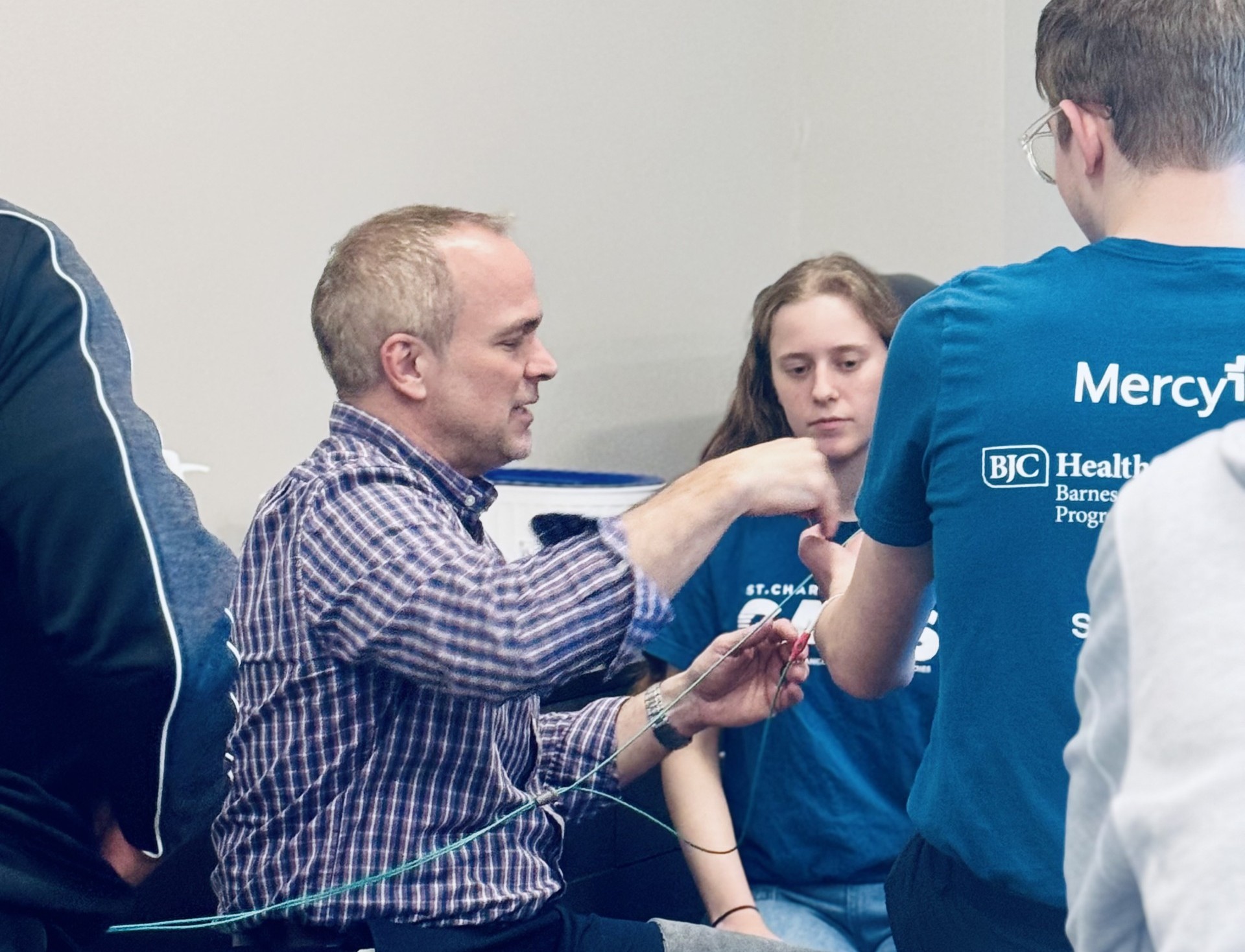
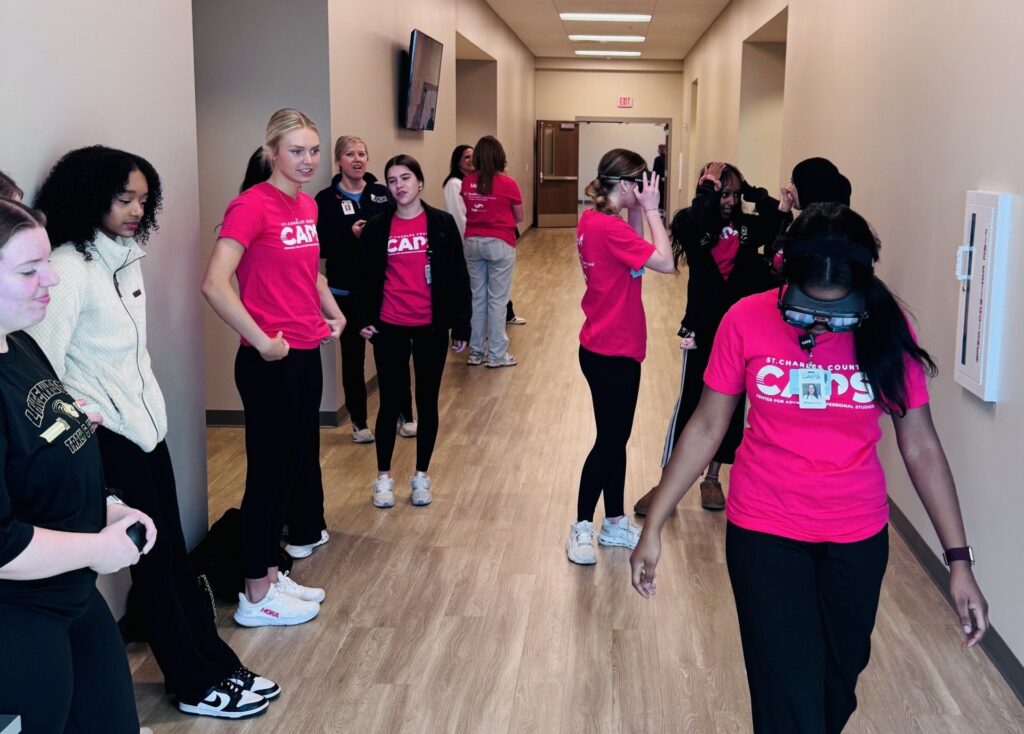
Lindenwood University recently welcomed 75 students from the St. Charles County Center for Advanced Professional Studies (CAPS) program for an interactive visit focused on health care careers. 

Hosted in collaboration with Lindenwood’s Nursing program and the Exercise and Performance Nutrition Laboratory (EPNL), the visit gave high school students a hands-on introduction to how Lindenwood prepares students for careers in health and wellness. 

A Hands-On Look at Health Care Education

Two groups of CAPS students visited campus on February 20, with sessions running from 8:00–10:30 a.m. and 11:30 a.m.–2:00 p.m. 

Rather than relying on traditional presentations, faculty and staff designed the experience to be interactive. Students participated in demonstrations and activities that allowed them to explore real-world applications of health science education. 

These experiences highlighted how Lindenwood emphasizes experiential learning across programs such as: 

Through these activities, students were able to see how classroom concepts translate into real clinical, laboratory, and performance-based environments. 

Exploring the Science Behind Health and Performance 

A key part of the visit took place in Lindenwood’s Exercise and Performance Nutrition Laboratory, where students explored the science behind human performance, health, and nutrition. 

Facilities like the EPNL allow Lindenwood students in programs such as Exercise Science and Human Performance to work with advanced equipment and gain practical experience studying how the body responds to exercise, nutrition, and training. 

This type of experiential learning helps prepare students for careers in areas such as: 

  • Sports performance and coaching 
  • Physical therapy and rehabilitation 
  • Athletic training 
  • Health care and clinical professions 

Strengthening Local Partnerships 

The CAPS program offers career-focused pathways to high school students throughout St. Charles County, helping them explore potential professions before graduating. 

The health care pathway students who visited Lindenwood were particularly interested in seeing how university programs connect academic learning with real career preparation. 

Feedback from CAPS leaders and students was overwhelmingly positive. Many described the visit as one of the most engaging site experiences they have participated in and expressed excitement about returning to campus in the future. 

The visit also helped reestablish a connection between Lindenwood and the CAPS program, opening the door for future collaboration. Potential opportunities include: 

  • Additional campus visits 
  • Observation opportunities within health programs 
  • Internship experiences for CAPS students 

Inspiring the Next Generation of Health Care Professionals 

For Lindenwood, partnerships like this provide an opportunity to connect with students in the surrounding community while showcasing the university’s commitment to hands-on, career-focused education. 

For CAPS students, the visit offered a meaningful look at what their future in health care could look like and how Lindenwood’s programs can help them get there. 

Related Posts

By keyword
Loading…

Ready to Take the Next Step?

Throughout each step of your online degree program, you will receive support. From enrollment and tuition planning to staying on the right track, your support team is there to ensure your success.

Date: March 17, 2026
Author: Madison Rodgers
Reading Time: 3 min

Exploring the Intersection of Art and Mental Health: Lindenwood’s Pre-Art Therapy Program 

For students who are passionate about both creativity and helping others, Lindenwood University offers a distinctive pathway through its Pre-Art Therapy degree program. Designed to connect artistic expression with psychological understanding, the program prepares students for graduate study in art therapy and related mental health fields. 

A Unique Undergraduate Pathway in Missouri 

Lindenwood’s Pre-Art Therapy program holds a unique place in the academic landscape. It is the only undergraduate program of its kind in Missouri and one of the few that can be completed fully online or on campus in St. Charles. 

This flexibility allows students to pursue their degree in a way that fits their lives while still receiving the same academic rigor and faculty mentorship. With flexible course schedules and affordable tuition, students can complete the program in as little as three years while balancing work, family, or other responsibilities. 

An Interdisciplinary Foundation in Art and Psychology 

Art therapy requires both creative skill and a deep understanding of human behavior. Lindenwood’s curriculum intentionally blends these areas, creating an interdisciplinary program that connects studio art, design, and psychology. 

Students take courses such as drawing, digital foundations, abnormal psychology, human development, and visual storytelling. Together with an internship experience, these courses help students build the skills and academic background needed to apply to graduate-level art therapy programs. 

Many students also choose to strengthen their preparation by pairing the program with a second field of study, such as the Psychology BA, creating a strong foundation for careers in counseling, mental health, and related helping professions. 

Flexible Learning with Strong Faculty Support 

Lindenwood’s Pre-Art Therapy program is offered both online and on campus, giving students the ability to choose the learning environment that works best for them. 

Regardless of the format, students benefit from accessible and experienced faculty who are committed to helping them prepare for graduate study and professional development in the field. Students also have access to a full range of university support services, including academic advising, library resources, career services, and internship guidance. 

Preparing for Careers That Make a Difference 

While the degree primarily prepares students for graduate programs in art therapy, it also provides a strong foundation for entry-level roles in human services. 

Graduates may pursue opportunities in settings such as: 

  • Social service agencies 
  • Residential treatment centers 
  • Nursing homes 
  • Community health organizations 

These roles often focus on supporting individuals experiencing stress, trauma, or loss while using creative expression as a tool for communication and healing. 

A Launchpad for Graduate Study 

Lindenwood’s Pre-Art Therapy program is intentionally designed as a pre-professional pathway that helps students transition into graduate programs in art therapy or related mental health fields. With coursework that combines artistic development, psychological theory, and experiential learning, students graduate with a strong academic profile for the next stage of their education. 

For students who want to explore how creativity can support mental health and human connection, Lindenwood offers a flexible and supportive environment to begin that journey.

Related Posts

By keyword
Loading…

Ready to Take the Next Step?

Throughout each step of your online degree program, you will receive support. From enrollment and tuition planning to staying on the right track, your support team is there to ensure your success.

Date: March 17, 2026
Author: Niambi Tucker
Categories: Business, Student Life
Reading Time: 8 min

Finding My Place at Lindenwood as a Commuter Student, Mom, and Professional 

Written by Niambi Tucker – BA, Marketing – Senior

A Morning Before Campus 

By the time I get to campus on Tuesday and Thursday mornings, I’ve already lived half a day. I’ve packed lunches, gotten my son to school, grabbed coffee, and checked my calendar at least five times. When I finally pull into the parking lot at Harmon Hall, I’m not just showing up as a student.  

I’m showing up as a mom, a full-time professional, and a 26-year-old trying to build a future. 

My son, Zachariah, at his first D1 Football game @ LU! 

My undergraduate experience looks different from what most people picture when they think about university life. I’m a commuter student, and I don’t always get to participate in spontaneous and fun activities or events!  

For me, being on campus takes some very intentional planning.  

One thing I’ve learned during my time at Lindenwood is that being a commuter student doesn’t mean being disconnected. In fact, some of my most meaningful experiences have come from intentionally finding my place here.  

Choosing a Different Path 

When I graduated high school in 2017, I had been accepted into 13 Historically Black Colleges and Universities (HBCUs). Having a child the same year changed my decision of going away for college, so I stayed home in St. Louis and attended Columbia College online. And I absolutely hated being an online student. Which is why I transferred to LU.  

Me & Leo the Lion supporting our women’s basketball team @ 2025 OVC Championships in Evansville, IN 

I knew the moment I stepped on campus that I didn’t want to be the student that was a “3C Student”- Go to Class, Grab Chick-fil-A, & Get Back in My Car. Even though I already balance so many responsibilities outside of school, it would have been easier to be a 3C Student. But I also knew that if I was going to invest my time, money, and energy into earning my degree, I wanted the full experience.  

So, I started getting involved immediately.  

Finding Community Through Student Organizations 

One of the first spaces where I really began to feel connected was the Black Student Union. Being around other students who shared similar perspectives and experiences helped me feel grounded on campus. I was so comfortable with the student organization that I began to plan my attendance at every meeting and event for the rest of the semester. And I’m glad that I did, because I later became the president for the 24-25 academic year!  

Coloring & Connections with BSU in LARC 

Following my leadership with BSU, I was nominated for induction into the National Society of Leadership and Success (NSLS), which has pushed me to grow as a leader and think more intentionally about my goals after graduation. I also have been a loud and proud advocate for the LU Pridettes, Lindenwood’s majorette dance team, who recognized me as an honorary member after making the Dean’s List this past fall. 

Homecoming Parade with LU Pridettes & Ms. T (Assistant Director, Admissions) 

Creating My Own Opportunities 

Outside of student organizations, I’ve also had the opportunity to gain experience I would never have been able to get if I didn’t have the courage to put myself out there. I plan to use my Marketing degree to work in sports marketing. And being a student at an NCAA D1 university, I just knew there had to be some opportunity, right? Wrong. 

There were no undergraduate student positions open. So, I kind of made my own. I sent an email to a faculty member who I’d met as a student organization leader and asked them to point me in the right direction to “shadow” someone in the athletics department. A week later, I met with one of the ADs and became his intern.  

NPHC (D9) Fraternity & Sorority Members who were recognized at halftime during one of the home games @ LU. Coordinated & organized by me & the BSU team! 

Asking questions and taking a leap of faith got me experiences that would set my application apart when I begin to apply for roles post-graduation; I attended the OVC Basketball Championships with our women’s basketball team, made social media posts during the football team’s media day, and attended the FCS Football Championship in Nashville, TN at Vanderbilt University. Also, through this internship I was connected with a young professional, now my mentor and a Lindenwood alum, who has introduced me to contacts in the NFL and NBA and opened my eyes to the value of the degree path I’ve chosen. 

Building Connections on Campus 

With that being said, my experience at LU has been more than just student organizations and Homecoming (my favorite event of the year!). It has really been about the community and connections on campus.  

The Uproar student section @ Homecoming 

For me, I have made so many impactful connections with faculty and staff members that have influenced a lot of my decision making and involvement on campus. The Center (for Campus Community & Connection) has been one of those spaces where I feel the most welcomed and supported. Ms. Keela, the Director, has created an environment where students feel comfortable showing up as themselves. This space has mattered more than I can fully explain.  

I’ve also built meaningful relationships with several other faculty, staff members, and even adjunct professors. These connections have helped transform campus from just a place I come to attend classes, into a place where I feel safe to ask for guidance and support— which is very important to me as an adult with a child who is already working in my career field.  

Continuing to Grow 

At the same time, being involved on campus has allowed me to see the many opportunities for growth. Lindenwood is very welcoming, and most people I encounter are kind and supportive. But as someone who is passionate about diversity and representation, I also believe there is room for the university to continue expanding and strengthening those efforts. When campuses create space for different voices, cultures, and life experiences, the entire student community benefits— and students like me feel even more seen! 

Building My Future at Lindenwood 

My path to and through Lindenwood hasn’t been traditional, but it has been very intentional. Every class I attend, every event I stay for, every opportunity I take on is something I’ve chosen to make space for in a very full life. Being a commuter, a working professional, and a mom has taught me how to move through college with purpose. 

BSU’s first annual “Girl Power: Hygiene Drive” 

And along the way, Lindenwood has become a place where I’ve grown, connected with people who lift me up, and built experiences that are shaping the future I am working toward, both for myself and my son.  

No matter where you are in life, there is a space for you to build your own path here.  

All roads lead to Lindenwood! 

Related Posts

By keyword
Loading…

Ready to Take the Next Step?

Throughout each step of your online degree program, you will receive support. From enrollment and tuition planning to staying on the right track, your support team is there to ensure your success.