Skip Navigation
Date: March 17, 2026
Author: Madison Rodgers
Categories: Health & Healthcare
Reading Time: 3 min

Local High School Students Explore Health Care Careers at Lindenwood 

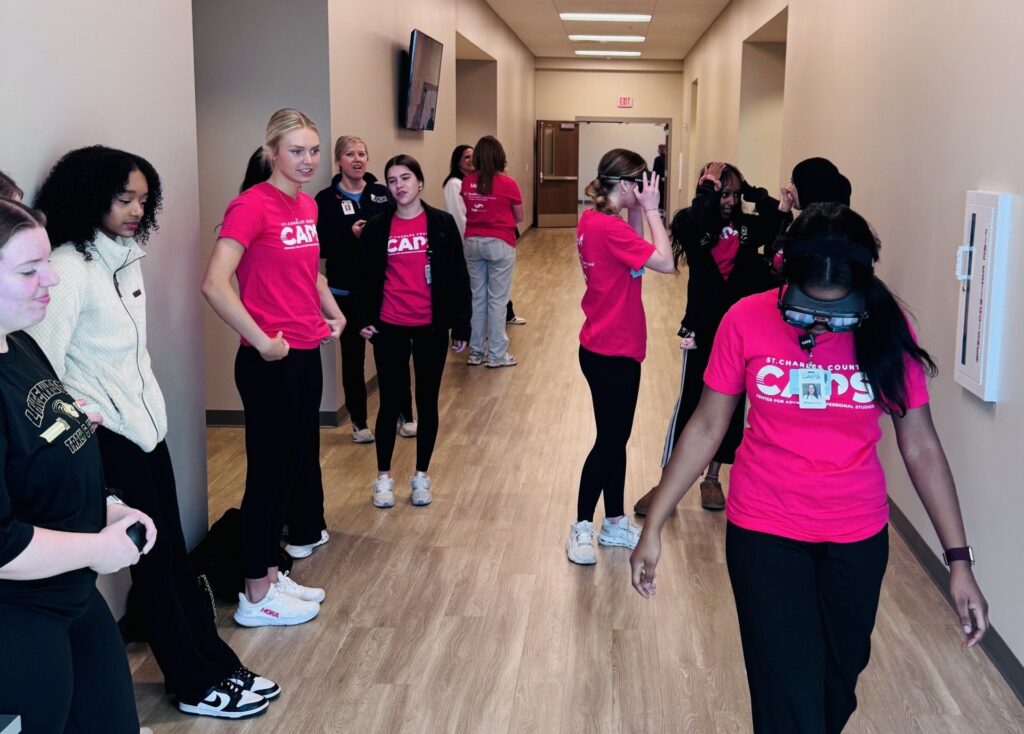
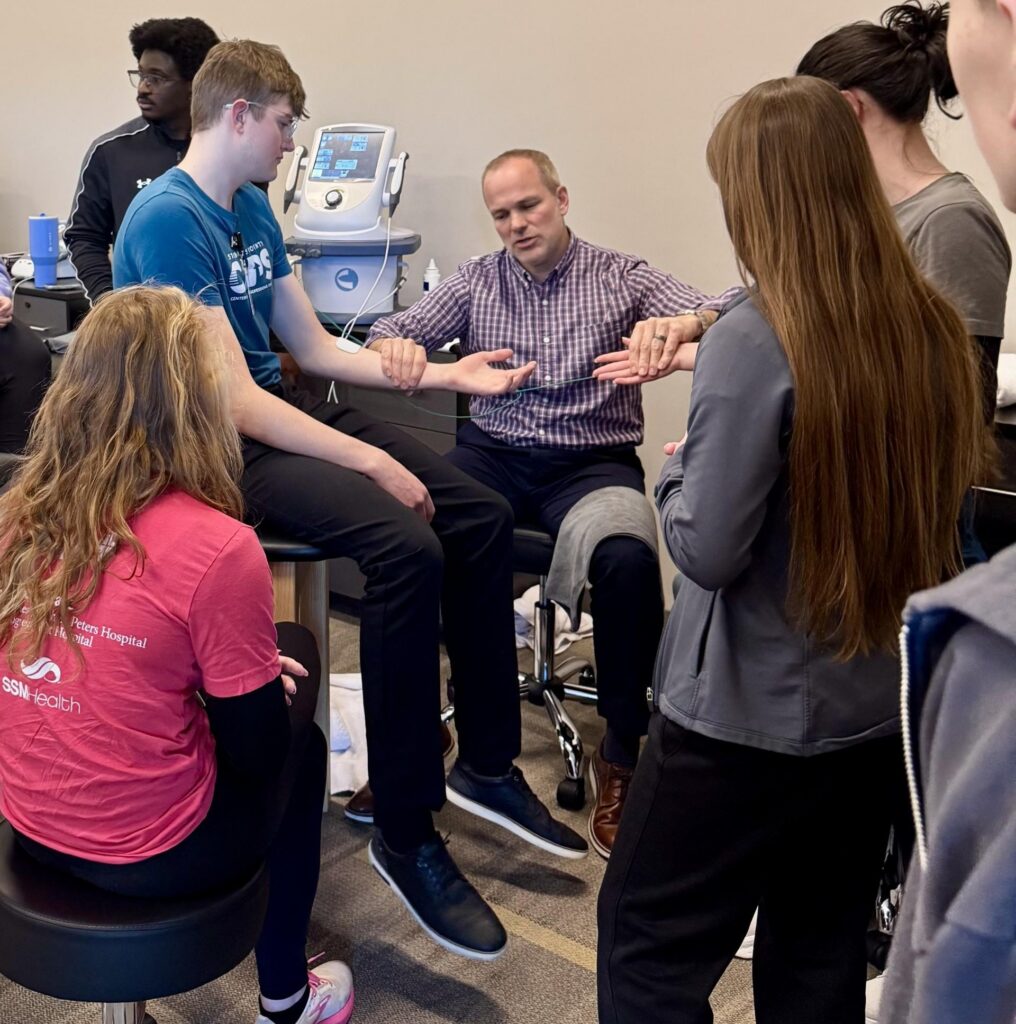
Lindenwood University recently welcomed 75 students from the St. Charles County Center for Advanced Professional Studies (CAPS) program for an interactive visit focused on health care careers. 

Hosted in collaboration with Lindenwood’s Nursing program and the Exercise and Performance Nutrition Laboratory (EPNL), the visit gave high school students a hands-on introduction to how Lindenwood prepares students for careers in health and wellness. 

A Hands-On Look at Health Care Education

Two groups of CAPS students visited campus on February 20, with sessions running from 8:00–10:30 a.m. and 11:30 a.m.–2:00 p.m. 

Rather than relying on traditional presentations, faculty and staff designed the experience to be interactive. Students participated in demonstrations and activities that allowed them to explore real-world applications of health science education. 

These experiences highlighted how Lindenwood emphasizes experiential learning across programs such as: 

Through these activities, students were able to see how classroom concepts translate into real clinical, laboratory, and performance-based environments. 

Exploring the Science Behind Health and Performance 

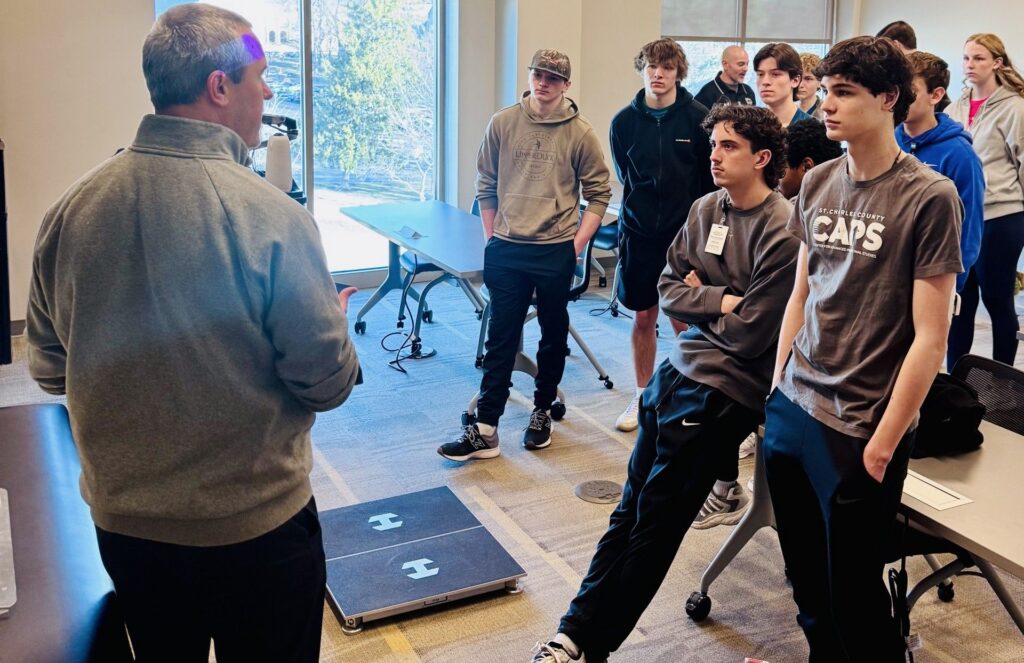
A key part of the visit took place in Lindenwood’s Exercise and Performance Nutrition Laboratory, where students explored the science behind human performance, health, and nutrition. 

Facilities like the EPNL allow Lindenwood students in programs such as Exercise Science and Human Performance to work with advanced equipment and gain practical experience studying how the body responds to exercise, nutrition, and training. 

This type of experiential learning helps prepare students for careers in areas such as: 

  • Sports performance and coaching 
  • Physical therapy and rehabilitation 
  • Athletic training 
  • Health care and clinical professions 

Strengthening Local Partnerships 

The CAPS program offers career-focused pathways to high school students throughout St. Charles County, helping them explore potential professions before graduating. 

The health care pathway students who visited Lindenwood were particularly interested in seeing how university programs connect academic learning with real career preparation. 

Feedback from CAPS leaders and students was overwhelmingly positive. Many described the visit as one of the most engaging site experiences they have participated in and expressed excitement about returning to campus in the future. 

The visit also helped reestablish a connection between Lindenwood and the CAPS program, opening the door for future collaboration. Potential opportunities include: 

  • Additional campus visits 
  • Observation opportunities within health programs 
  • Internship experiences for CAPS students 

Inspiring the Next Generation of Health Care Professionals 

For Lindenwood, partnerships like this provide an opportunity to connect with students in the surrounding community while showcasing the university’s commitment to hands-on, career-focused education. 

For CAPS students, the visit offered a meaningful look at what their future in health care could look like and how Lindenwood’s programs can help them get there. 

Related Posts

By keyword
Loading…

Ready to Take the Next Step?

Throughout each step of your online degree program, you will receive support. From enrollment and tuition planning to staying on the right track, your support team is there to ensure your success.

Date: March 17, 2026
Author: Madison Rodgers
Reading Time: 3 min

Exploring the Intersection of Art and Mental Health: Lindenwood’s Pre-Art Therapy Program 

For students who are passionate about both creativity and helping others, Lindenwood University offers a distinctive pathway through its Pre-Art Therapy degree program. Designed to connect artistic expression with psychological understanding, the program prepares students for graduate study in art therapy and related mental health fields. 

A Unique Undergraduate Pathway in Missouri 

Lindenwood’s Pre-Art Therapy program holds a unique place in the academic landscape. It is the only undergraduate program of its kind in Missouri and one of the few that can be completed fully online or on campus in St. Charles. 

This flexibility allows students to pursue their degree in a way that fits their lives while still receiving the same academic rigor and faculty mentorship. With flexible course schedules and affordable tuition, students can complete the program in as little as three years while balancing work, family, or other responsibilities. 

An Interdisciplinary Foundation in Art and Psychology 

Art therapy requires both creative skill and a deep understanding of human behavior. Lindenwood’s curriculum intentionally blends these areas, creating an interdisciplinary program that connects studio art, design, and psychology. 

Students take courses such as drawing, digital foundations, abnormal psychology, human development, and visual storytelling. Together with an internship experience, these courses help students build the skills and academic background needed to apply to graduate-level art therapy programs. 

Many students also choose to strengthen their preparation by pairing the program with a second field of study, such as the Psychology BA, creating a strong foundation for careers in counseling, mental health, and related helping professions. 

Flexible Learning with Strong Faculty Support 

Lindenwood’s Pre-Art Therapy program is offered both online and on campus, giving students the ability to choose the learning environment that works best for them. 

Regardless of the format, students benefit from accessible and experienced faculty who are committed to helping them prepare for graduate study and professional development in the field. Students also have access to a full range of university support services, including academic advising, library resources, career services, and internship guidance. 

Preparing for Careers That Make a Difference 

While the degree primarily prepares students for graduate programs in art therapy, it also provides a strong foundation for entry-level roles in human services. 

Graduates may pursue opportunities in settings such as: 

  • Social service agencies 
  • Residential treatment centers 
  • Nursing homes 
  • Community health organizations 

These roles often focus on supporting individuals experiencing stress, trauma, or loss while using creative expression as a tool for communication and healing. 

A Launchpad for Graduate Study 

Lindenwood’s Pre-Art Therapy program is intentionally designed as a pre-professional pathway that helps students transition into graduate programs in art therapy or related mental health fields. With coursework that combines artistic development, psychological theory, and experiential learning, students graduate with a strong academic profile for the next stage of their education. 

For students who want to explore how creativity can support mental health and human connection, Lindenwood offers a flexible and supportive environment to begin that journey.

Related Posts

By keyword
Loading…

Ready to Take the Next Step?

Throughout each step of your online degree program, you will receive support. From enrollment and tuition planning to staying on the right track, your support team is there to ensure your success.

Date: March 17, 2026
Author: Niambi Tucker
Categories: Business, Student Life
Reading Time: 8 min

Finding My Place at Lindenwood as a Commuter Student, Mom, and Professional 

Written by Niambi Tucker – BA, Marketing – Senior

A Morning Before Campus 

By the time I get to campus on Tuesday and Thursday mornings, I’ve already lived half a day. I’ve packed lunches, gotten my son to school, grabbed coffee, and checked my calendar at least five times. When I finally pull into the parking lot at Harmon Hall, I’m not just showing up as a student.  

I’m showing up as a mom, a full-time professional, and a 26-year-old trying to build a future. 

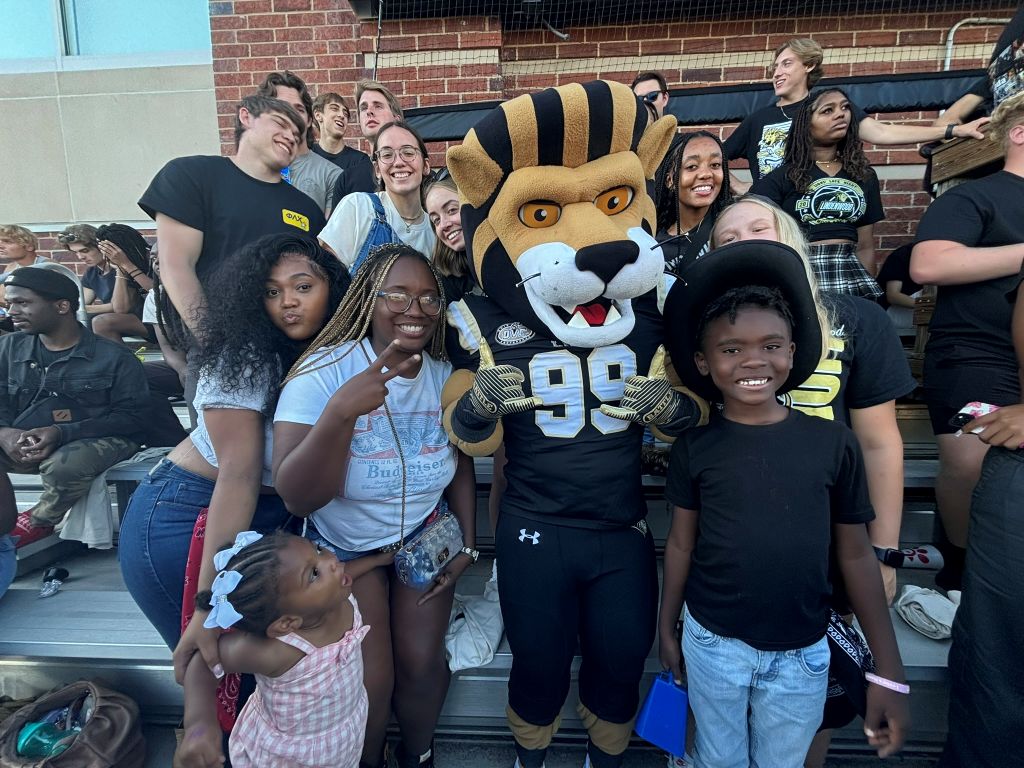
My son, Zachariah, at his first D1 Football game @ LU! 

My undergraduate experience looks different from what most people picture when they think about university life. I’m a commuter student, and I don’t always get to participate in spontaneous and fun activities or events!  

For me, being on campus takes some very intentional planning.  

One thing I’ve learned during my time at Lindenwood is that being a commuter student doesn’t mean being disconnected. In fact, some of my most meaningful experiences have come from intentionally finding my place here.  

Choosing a Different Path 

When I graduated high school in 2017, I had been accepted into 13 Historically Black Colleges and Universities (HBCUs). Having a child the same year changed my decision of going away for college, so I stayed home in St. Louis and attended Columbia College online. And I absolutely hated being an online student. Which is why I transferred to LU.  

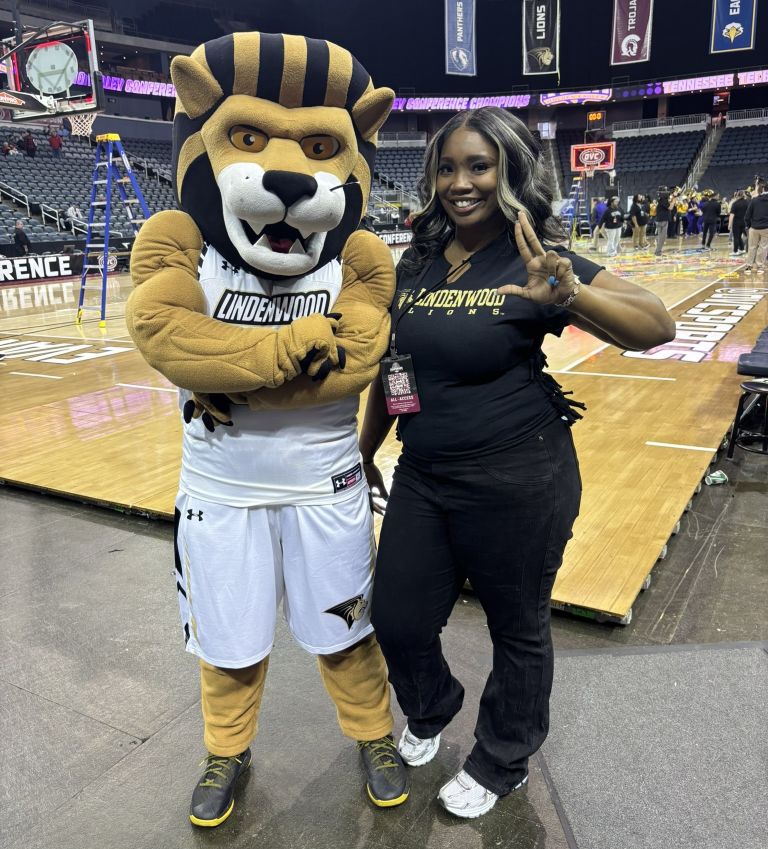
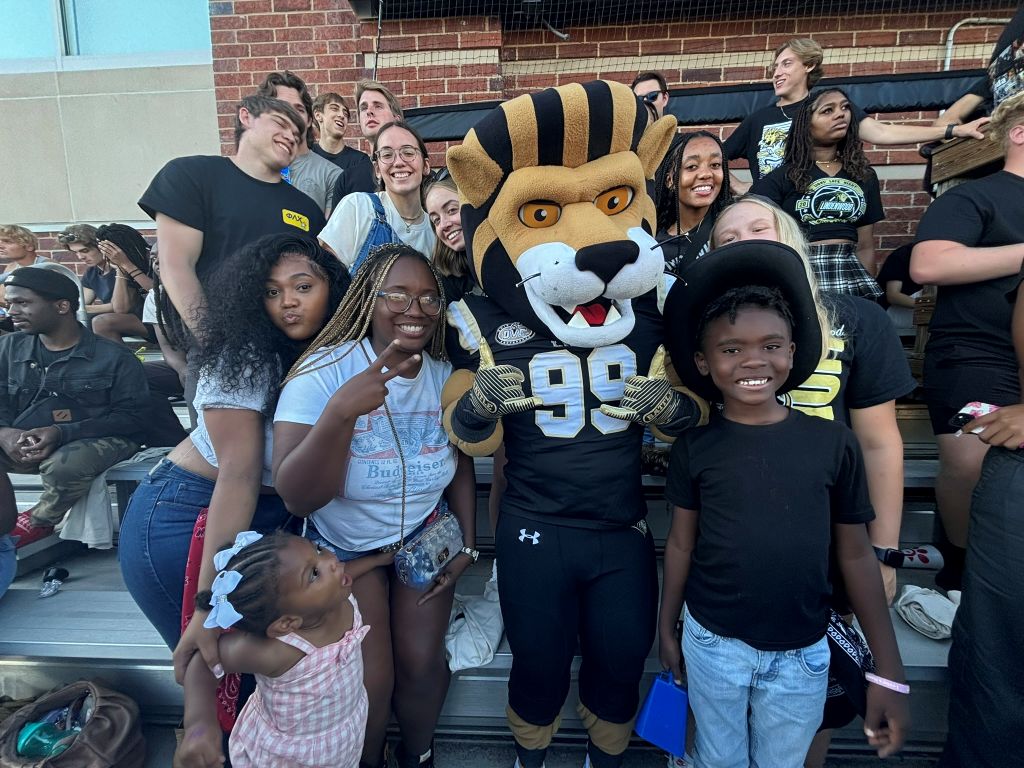
Me & Leo the Lion supporting our women’s basketball team @ 2025 OVC Championships in Evansville, IN 

I knew the moment I stepped on campus that I didn’t want to be the student that was a “3C Student”- Go to Class, Grab Chick-fil-A, & Get Back in My Car. Even though I already balance so many responsibilities outside of school, it would have been easier to be a 3C Student. But I also knew that if I was going to invest my time, money, and energy into earning my degree, I wanted the full experience.  

So, I started getting involved immediately.  

Finding Community Through Student Organizations 

One of the first spaces where I really began to feel connected was the Black Student Union. Being around other students who shared similar perspectives and experiences helped me feel grounded on campus. I was so comfortable with the student organization that I began to plan my attendance at every meeting and event for the rest of the semester. And I’m glad that I did, because I later became the president for the 24-25 academic year!  

Coloring & Connections with BSU in LARC 

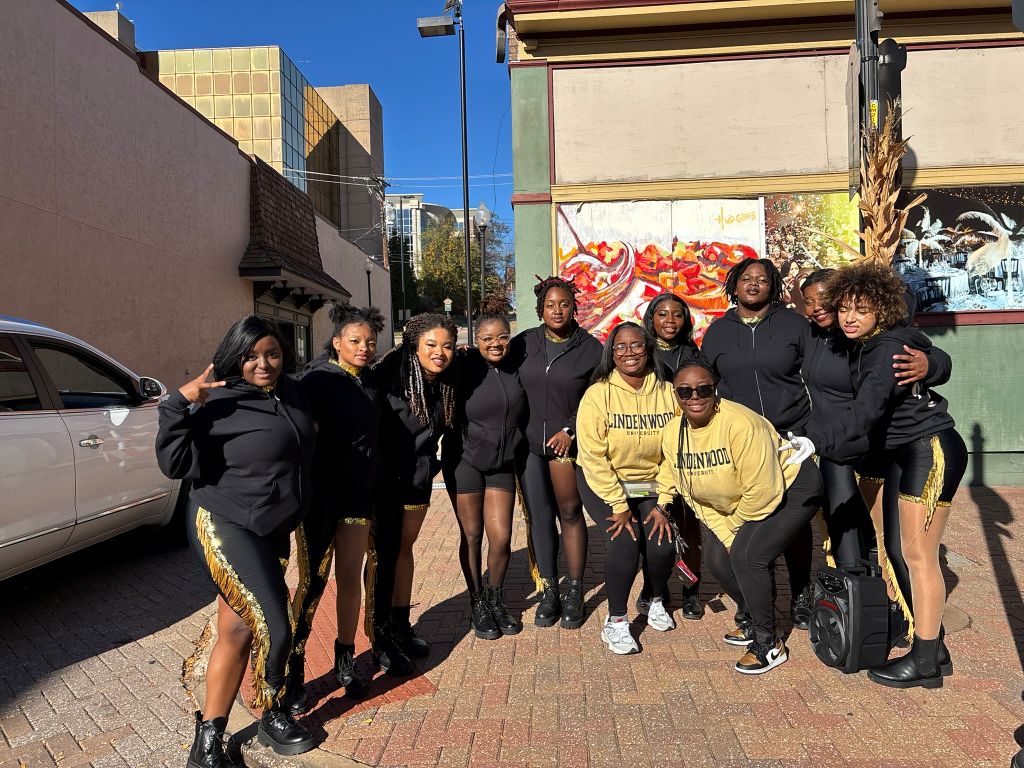
Following my leadership with BSU, I was nominated for induction into the National Society of Leadership and Success (NSLS), which has pushed me to grow as a leader and think more intentionally about my goals after graduation. I also have been a loud and proud advocate for the LU Pridettes, Lindenwood’s majorette dance team, who recognized me as an honorary member after making the Dean’s List this past fall. 

Homecoming Parade with LU Pridettes & Ms. T (Assistant Director, Admissions) 

Creating My Own Opportunities 

Outside of student organizations, I’ve also had the opportunity to gain experience I would never have been able to get if I didn’t have the courage to put myself out there. I plan to use my Marketing degree to work in sports marketing. And being a student at an NCAA D1 university, I just knew there had to be some opportunity, right? Wrong. 

There were no undergraduate student positions open. So, I kind of made my own. I sent an email to a faculty member who I’d met as a student organization leader and asked them to point me in the right direction to “shadow” someone in the athletics department. A week later, I met with one of the ADs and became his intern.  

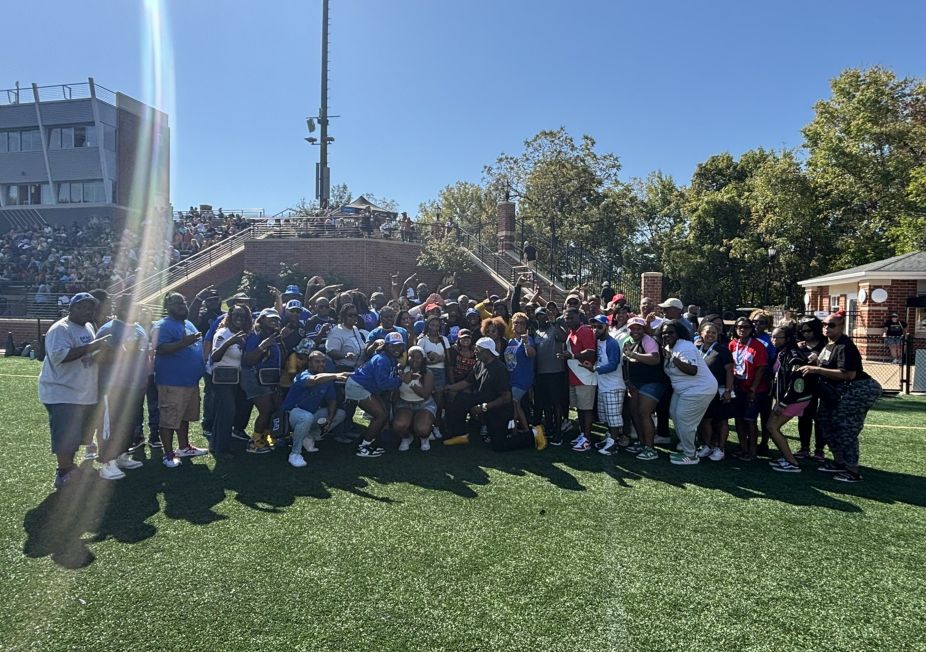
NPHC (D9) Fraternity & Sorority Members who were recognized at halftime during one of the home games @ LU. Coordinated & organized by me & the BSU team! 

Asking questions and taking a leap of faith got me experiences that would set my application apart when I begin to apply for roles post-graduation; I attended the OVC Basketball Championships with our women’s basketball team, made social media posts during the football team’s media day, and attended the FCS Football Championship in Nashville, TN at Vanderbilt University. Also, through this internship I was connected with a young professional, now my mentor and a Lindenwood alum, who has introduced me to contacts in the NFL and NBA and opened my eyes to the value of the degree path I’ve chosen. 

Building Connections on Campus 

With that being said, my experience at LU has been more than just student organizations and Homecoming (my favorite event of the year!). It has really been about the community and connections on campus.  

The Uproar student section @ Homecoming 

For me, I have made so many impactful connections with faculty and staff members that have influenced a lot of my decision making and involvement on campus. The Center (for Campus Community & Connection) has been one of those spaces where I feel the most welcomed and supported. Ms. Keela, the Director, has created an environment where students feel comfortable showing up as themselves. This space has mattered more than I can fully explain.  

I’ve also built meaningful relationships with several other faculty, staff members, and even adjunct professors. These connections have helped transform campus from just a place I come to attend classes, into a place where I feel safe to ask for guidance and support— which is very important to me as an adult with a child who is already working in my career field.  

Continuing to Grow 

At the same time, being involved on campus has allowed me to see the many opportunities for growth. Lindenwood is very welcoming, and most people I encounter are kind and supportive. But as someone who is passionate about diversity and representation, I also believe there is room for the university to continue expanding and strengthening those efforts. When campuses create space for different voices, cultures, and life experiences, the entire student community benefits— and students like me feel even more seen! 

Building My Future at Lindenwood 

My path to and through Lindenwood hasn’t been traditional, but it has been very intentional. Every class I attend, every event I stay for, every opportunity I take on is something I’ve chosen to make space for in a very full life. Being a commuter, a working professional, and a mom has taught me how to move through college with purpose. 

BSU’s first annual “Girl Power: Hygiene Drive” 

And along the way, Lindenwood has become a place where I’ve grown, connected with people who lift me up, and built experiences that are shaping the future I am working toward, both for myself and my son.  

No matter where you are in life, there is a space for you to build your own path here.  

All roads lead to Lindenwood! 

Related Posts

By keyword
Loading…

Ready to Take the Next Step?

Throughout each step of your online degree program, you will receive support. From enrollment and tuition planning to staying on the right track, your support team is there to ensure your success.

Date: March 13, 2026
Author: Alexandra Bardon
Categories: Business
Reading Time: 7 min

Executive Summary: Who Benefits and Key Takeaways

Pursuing a master’s degree in human resource management (HRM) can be a game-changer for anyone looking to step up in their career. This advanced degree not only boosts your skill set but also opens up the door to leadership roles within organizations. If you’re in the early to mid-stages of your career, obtaining this qualification can lead to a nice pay bump and a quicker path to management roles. So, if you’re considering this path, you’re not just studying; you’re making a smart investment in your future.

Here’s what you can look forward to:

According to Deloitte’s 2024 report, there’s a growing demand for strong HR skills. Companies are realizing how valuable advanced education is when it comes to tackling workforce challenges. To keep up in today’s evolving HR landscape, having the right skills and knowledge from a master’s program makes a real difference.

Advantages of a Master’s Degree in HRM over a Bachelor’s Degree

Earning a master’s degree in HRM comes with plenty of perks that can give you the upper hand in the job market. Here are some of the key benefits:

  • Advanced Knowledge and Skills: Graduate courses tackle complex topics like strategic HR management, talent analytics, and organizational behavior. This deeper understanding prepares you to face tough HR challenges head-on.
  • Leadership Preparation: The program is designed to help you develop the skills needed for leadership roles, allowing you to effectively align HR functions with organizational strategy.
  • Networking Opportunities: By connecting with fellow students, faculty, and industry professionals, you can build valuable relationships that might open doors for future job opportunities and collaborations. Programs like Lindenwood’s MBA HRM emphasize such connections.
  • Increased Marketability: Having a master’s degree makes you more appealing to employers who are on the lookout for candidates with advanced qualifications and specialized expertise.

These advantages can significantly enhance your career prospects, making you a stronger candidate for higher-level positions. If you’re aiming for a leadership role in HR, a master’s degree lays a solid foundation you can build on.

SHRM Competency Alignment with a Graduate Degree

Graduates from master’s programs in HRM often find that their education aligns closely with the SHRM (Society for Human Resource Management) competencies. These competencies are key for effective HR management and include:

  • Leadership and Navigation: The ability to lead and direct HR initiatives that support organizational goals while fostering collaboration.
  • Relationship Management: Building positive relationships with employees, stakeholders, and management is crucial for maintaining a healthy work environment.
  • Consultation: Providing strategic guidance to executives on HR issues, including talent management and organizational change, is essential for a successful business.
  • Global and Cultural Effectiveness: Awareness and understanding of diverse cultures are increasingly important in today’s interconnected world.

These competencies are essential for those aiming for strategic HR roles that drive success. A master’s degree that aligns with SHRM competencies ensures that graduates graduate with practical skills that can be applied in real-world HR settings.

Salary Differences Between HR Professionals

One major factor to consider when thinking about a master’s degree in HRM is the positive impact it can have on your salary. According to the Bureau of Labor Statistics, as of May 2024, HR managers earned a median salary of $140,030 while HR specialists had a median salary of $72,910.

  • Salary Comparisons:
    • HR Managers with a Master’s: $140,030
    • HR Specialists with a Master’s: $72,910
    • HR Managers with a Bachelor’s: about $115,000 (this can vary by location and experience)
    • HR Specialists with a Bachelor’s: around $57,000

The differences in earnings are quite stark and highlight the financial advantages that come with advanced education in HR. By investing in a master’s degree, you’re not only boosting your knowledge and skills but also significantly enhancing your earning potential over your career.

Career Opportunities Available Post-Master’s Degree

A master’s in human resource management opens up several strategic roles in organizations. After graduation, you can pursue positions like:

  • HR Manager: Overseeing HR departments and ensuring that HR strategies align with business goals.
  • HR Director: Managing HR policies and programs at a strategic level, creating initiatives that support company objectives.
  • Chief Human Resources Officer (CHRO): Leading the human resources strategy for organizations, with a focus on talent development and employee engagement.
  • Talent Development Director: Designing and implementing programs aimed at elevating employee skills and engagement.

These roles demand a solid foundation in strategic HR thinking and leadership skills, both of which you’ll cultivate through a master’s program.

Preparing for Senior People Leadership Roles with Lindenwood’s HRM Program

Lindenwood University’s MBA program with an HRM concentration is designed to ready professionals for senior roles in human resources. The program offers courses that promote critical thinking, strategic perspectives, and practical skills crucial for high-level HR functions.

Here are some key features of the Lindenwood MBA HRM program:

  • Flexible Learning Options: Choose from online, on-campus, or hybrid formats to match your personal and professional schedules, making education accessible for everyone.
  • Relevant Curriculum: Courses are aligned with SHRM competencies, ensuring you learn skills that are directly useful in the workplace.
  • Networking and Career Planning: The program emphasizes building connections with industry professionals and provides resources to support your career advancement.

Graduates leave prepared to tackle the challenges of modern HR and help organizations thrive.

Evaluating the Worth of a Master’s Degree While Working Full-Time

Many professionals wonder if they can juggle a master’s degree with full-time work. Fortunately, pursuing a master’s in HRM can be well worth the effort. Here are a few tips for balancing both:

  • Flexible Class Schedules: Many programs, including Lindenwood’s, offer flexible scheduling options that allow you to fit coursework into your busy life.
  • Time Management Skills: You’ll develop crucial time management skills during your studies, enhancing both your academic and professional efficiency.
  • Long-Term ROI: Investing time and resources into a graduate program often leads to faster career growth and significantly higher salaries after you graduate.

Recognizing these factors can help prospective students see the value of pursuing their education while balancing a full-time job.

Understanding the Differences Between an MA in HRM and an MBA with HRM Concentration

If you’re looking to advance your education in human resources, it’s important to grasp the difference between an MA in HRM and an MBA with an HRM concentration.

  • Focus of Studies:
    • An MA in HRM zeroes in on theories and practices specific to human resource management, giving you a specialized focus for HR careers.
    • An MBA with an HRM concentration offers a broader business education, covering topics like finance, marketing, and strategy, alongside HR-focused studies.

This comprehensive approach equips graduates with a well-rounded perspective that benefits organizations, especially in leadership roles where understanding broader business concepts is critical for making strategic decisions.

Frequently Asked Questions

Yes, it offers significant professional advantages, including higher salaries, leadership opportunities, and increased competitiveness in the job market.

A master’s can mean earning up to 20% more than a bachelor’s degree, which significantly boosts lifetime earnings.

An MBA combines HR studies with general business education, while an MA focuses solely on HR management for a more specialized approach.

Earning a master’s degree can speed up this journey, typically taking anywhere from 3 to 8 years depending on your experience and education.

Many organizations value the comprehensive business training of an MBA; however, HR certifications are still highly regarded, especially for specialized roles.

Prospective students should look into employer tuition assistance and various financial aid options to help make their educational investment more manageable.

Related Posts

By keyword
Loading…

Ready to Take the Next Step?

Throughout each step of your online degree program, you will receive support. From enrollment and tuition planning to staying on the right track, your support team is there to ensure your success.

Date: March 13, 2026
Author: Alexandra Bardon
Categories: Communications
Reading Time: 24 min

The communications field is at an exciting turning point as we head into 2026. Traditional media roles have grown into dynamic, tech-savvy careers that blend strategic thinking with digital know-how. Whether you’re thinking about a communications degree or exploring a career change, understanding these emerging opportunities can help you make smart decisions about your professional future.

Today’s communications professionals work where technology, strategy, and human connection meet. They navigate complex digital landscapes while keeping authentic brand voices consistent across multiple platforms. This shift creates amazing opportunities for graduates who understand both core communication principles and the emerging digital trends that are changing how organizations connect with their audiences.

The Communications Career Landscape: What’s Changed for 2026

Artificial intelligence has completely transformed how communications professionals create, share, and measure content effectiveness. Instead of replacing human communicators, AI tools have become valuable partners that handle routine tasks while professionals focus on strategy, relationship building, and creative problem-solving. Generative AI adoption more than doubled in one year, rising from 33% in 2023 to 71% in 2024, and 90% of content marketers now plan to use AI to support their efforts in 2025. This tech partnership has elevated the role from hands-on execution to strategic leadership, requiring professionals to understand both human psychology and how algorithms work.

Remote work has opened up opportunities beyond geographic boundaries, letting communications experts serve global audiences and work with diverse teams across multiple time zones and cultures. Approximately 32.6 million Americans now work remotely, representing about 22% of the workforce — a massive increase from pre-pandemic levels. This global connectivity demands professionals who can adapt messaging for different markets while keeping brand consistency — a skill that pays well.

Digital transformation has sped up across industries, creating demand for professionals who can translate complex ideas into accessible content across multiple channels at once. Organizations now need communications teams that understand data analytics, social media algorithms, and integrated marketing approaches that create smooth customer experiences. The old boundaries between communications, marketing, and customer experience have blurred, creating hybrid roles that offer broader responsibility and faster career growth.

Job projections show strong growth in communications-related fields, especially in digital strategy, content creation, and stakeholder engagement roles. According to the Bureau of Labor Statistics, overall employment in media and communication occupations is projected to generate about 104,800 openings per year, largely due to the need to replace workers leaving the field. Companies recognize that effective communication drives real business results — from attracting customers to keeping employees — leading to increased investment in communications talent and expanded department responsibilities. This trend makes 2026 a turning point for communications professionals who can show measurable impact through strategic thinking and excellent execution.

High-Demand Communications Careers in 2026 and Beyond

Understanding which career paths offer the strongest growth potential helps communications professionals make smart decisions about skill development and specialization. These roles represent where traditional communications expertise meets modern business needs.

Digital Communications Strategist

Digital communications strategists develop comprehensive plans that integrate multiple channels to achieve organizational goals while maximizing return on investment. They analyze audience behavior patterns, create content calendars that align with business objectives, and coordinate messaging across websites, social media, email campaigns, and digital advertising platforms. These professionals spend their days reviewing analytics data, working with design and development teams, and adjusting strategies based on performance metrics that directly impact revenue and brand perception.

Success in this role requires expertise in content management systems, social media analytics platforms, and a solid understanding of SEO principles that drive organic visibility. Strategic thinking abilities, advanced project management skills, and the ability to interpret complex data sets translate directly into campaign effectiveness and career advancement opportunities. Many employers look for candidates with experience in Adobe Creative Suite, Google Analytics, marketing automation platforms, and emerging tools like AI-powered content optimization systems.

Market demand for digital communications strategists keeps expanding as organizations prioritize online presence and customer engagement across multiple touchpoints. Companies across industries need professionals who can navigate complex digital ecosystems while maintaining consistent brand messaging that resonates with diverse audience segments. This role offers great advancement opportunities into director-level positions, specialized consulting opportunities, and potential equity participation in high-growth companies.

Corporate Communications Manager

Corporate communications managers handle both internal employee communications and external stakeholder messaging while serving as guardians of organizational reputation. They develop communication strategies for product launches, organizational changes, and industry developments while keeping consistent brand voice across all channels and circumstances. These professionals often serve as primary contacts during crisis situations, coordinating responses and managing media relationships that can significantly impact company valuation and public perception.

Crisis management represents a key part of this role, requiring quick thinking under pressure, clear judgment during uncertainty, and the ability to coordinate complex response efforts across multiple departments and external partners. Stakeholder engagement involves building lasting relationships with investors, community leaders, regulatory bodies, and industry partners — relationships that often determine long-term business success. Strong writing skills, polished presentation abilities, and deep understanding of legal considerations for corporate communications are must-have qualifications that directly impact career progression.

Career advancement opportunities include promotion to director of communications, vice president roles with expanded strategic responsibilities, or chief communications officer positions that influence organizational direction at the highest levels. Many professionals transition into lucrative consulting roles or move strategically between industries to gain diverse experience that commands premium compensation. This career path offers great stability and competitive compensation across various sectors, with particular strength in publicly traded companies and highly regulated industries.

Content Marketing Manager

Content marketing managers create and oversee multi-platform content strategies that support sales and marketing objectives while building long-term audience relationships. They develop blog posts, whitepapers, video scripts, and social media content while analyzing performance data to optimize future campaigns for maximum impact. Working with sales teams helps content address specific customer needs throughout the buying journey, creating measurable contributions to revenue generation.

Data-driven optimization separates outstanding content managers from those who rely only on creative intuition. These professionals use sophisticated analytics tools to track engagement rates, conversion metrics, and audience behavior patterns that reveal optimization opportunities. Understanding customer personas, search engine optimization principles, and content distribution strategies directly impacts campaign success and speeds up career advancement into senior marketing leadership roles.

Integration with sales and marketing teams requires strong people skills and business sense that goes beyond traditional communications training. Content marketing managers often participate in lead generation planning, customer journey mapping, and revenue attribution discussions that influence organizational strategy. This cross-functional exposure provides invaluable experience for advancement into marketing director roles, product marketing positions, and general management opportunities that offer significant compensation growth.

Social Media Manager with Strategic Focus

Modern social media managers go far beyond content posting to develop comprehensive strategies that drive measurable business results across multiple platforms and audience segments. They analyze complex platform algorithms, build engaged communities that generate authentic brand advocacy, and maintain consistent brand voice while adapting to rapid platform changes. Strategic focus includes influencer partnership development, user-generated content campaigns, and social commerce initiatives that directly contribute to revenue growth.

Platform expertise covers major networks like Facebook and Instagram while extending to emerging channels and industry-specific platforms that offer first-mover advantages. Understanding analytics tools, content creation software, and social listening platforms helps managers track sentiment, identify trends, and respond to customer feedback with speed and authenticity. Community building skills help create loyal customer bases that support long-term business growth and provide competitive advantages that are tough for competitors to copy.

ROI measurement and campaign optimization require analytical skills and understanding of business metrics that go beyond traditional engagement rates. Social media managers track conversion data, customer acquisition costs, and lifetime value metrics while adjusting strategies based on performance that impacts bottom-line results. This data-driven approach positions social media professionals for advancement into marketing director roles, brand management positions, and digital strategy leadership opportunities that offer substantial compensation growth.

Salary Expectations and Long-Term Career Growth Potential

Compensation in communications careers varies significantly based on specialization, industry, geographic location, and demonstrated impact on business results. Understanding these salary ranges helps professionals make informed decisions about career development and specialization.

Entry-Level Salary Ranges by Career Path

Recent communications graduates typically start with salaries ranging from $35,000 to $50,000, though specialized digital roles often command higher starting compensation due to technical skill requirements and immediate value creation potential. Digital communications roles frequently offer starting salaries 15-25% above traditional public relations positions, reflecting market demand for technical skills. Entry-level content marketing positions generally fall in the middle range, with opportunities for rapid advancement based on measurable performance and business impact.

Geographic variations significantly impact starting salaries, with major metropolitan areas offering 20-30% higher compensation compared to smaller markets — though remote work opportunities have created new access to higher-paying positions regardless of physical location. Cost of living considerations remain important when evaluating total compensation packages and long-term career progression potential. Professionals who strategically target high-growth markets or specialized industries can speed up earning potential from the beginning of their careers.

Benefits packages for communications roles typically include comprehensive health insurance, retirement contributions with company matching, and professional development allowances that support continued skill building. Many employers offer flexible work arrangements, generous vacation time, and opportunities for continuing education that add significant value beyond base salary. Startup companies may provide equity compensation that offers substantial upside potential, while established corporations often include performance bonuses and structured advancement programs that provide clear career progression paths.

Mid-Career Earning Potential

Five to ten years of experience typically results in salary ranges from $55,000 to $85,000 for communications professionals, though specialization in high-demand areas can significantly speed up this timeline. Digital strategy experts, crisis communications specialists, and content marketing professionals who can demonstrate measurable business impact often exceed these ranges within shorter timeframes. Professionals who develop management skills and take on team leadership responsibilities frequently see compensation growth that outpaces peers focused solely on individual contribution.

Factors influencing compensation growth include depth of industry experience, technical skills development, and demonstrated ability to drive measurable results that impact business performance. Professionals who can establish direct correlation between their work and revenue outcomes, cost savings, or risk mitigation typically advance more rapidly than those focused primarily on creative output. Geographic flexibility and willingness to transition between industries strategically can also speed up salary progression and create opportunities for specialized expertise development.

Performance metrics vary by role but consistently include quantifiable measures such as engagement rates, media coverage quality, campaign ROI, and team productivity improvements. Advancement opportunities often depend on strategic thinking abilities, cross-functional collaboration effectiveness, and leadership potential demonstrated through project management and team development. Many mid-career professionals pursue additional certifications or specialized training to boost their market value and qualify for senior-level positions with substantially higher compensation potential.

Executive-Level Communications Positions

C-suite and senior leadership communications roles typically offer comprehensive compensation packages ranging from $120,000 to $300,000 or more, depending on organization size, industry complexity, and geographic market. Advertising and promotions managers earn a median annual salary of around $133,380, while public relations and fundraising managers earn a median of $119,860, according to the Bureau of Labor Statistics. These positions require extensive experience, proven strategic thinking abilities, and documented track records of successful crisis management and stakeholder relationship building.

The progression from entry-level to executive positions typically requires 15-20 years of progressive experience across multiple roles, industries, and functional areas. Successful executives often combine deep communications expertise with strong business sense, financial understanding, and proven leadership experience that demonstrates ability to drive organizational results. Advanced degrees, particularly MBA programs with strategic focus, can significantly speed up advancement opportunities and provide access to executive networks that help career progression.

Skills needed for top-tier roles include strategic planning abilities, budget management expertise, crisis leadership under extreme pressure, and board-level communication abilities that influence major stakeholders. Executive communications professionals must understand complex legal implications of corporate messaging, regulatory requirements across multiple jurisdictions, and stakeholder management complexities that affect business relationships and financial performance. These roles offer substantial influence on organizational direction, significant compensation growth potential, and opportunities for equity participation that can create substantial wealth over time.

Alternative Career Paths and Industry Transitions for Communications Graduates

The versatility of communications skills creates opportunities across diverse industries and specialized roles that may not be immediately obvious to new graduates. These alternative paths often offer special advantages and specialized compensation opportunities.

Non-Traditional Communications Careers

User experience writing has emerged as a highly specialized and well-compensated field where communications graduates apply their writing skills to digital product development and user interface optimization. These professionals create interface copy, comprehensive help documentation, and user guidance content that makes complex technology more accessible and intuitive. Technical communications roles in software companies, healthcare organizations, and engineering firms offer competitive salaries and opportunities to work with cutting-edge innovations that shape industry standards and user experiences.

Data storytelling positions combine communications expertise with analytical skills to translate complex information into compelling narratives that drive business decisions. Business intelligence roles require communications graduates to present findings to executives and stakeholders, making data-driven recommendations that guide organizational strategy and resource allocation. These positions often offer higher starting salaries than traditional communications roles and provide rapid advancement opportunities for professionals who can bridge the gap between technical analysis and strategic communication.

Nonprofit and advocacy communications positions allow professionals to support meaningful causes while developing specialized skills in fundraising communications, grant writing, and community engagement that transfer effectively to corporate environments. These roles provide valuable experience in stakeholder management, crisis communications, and resource optimization that creates well-rounded professionals. Government communications positions offer great stability, comprehensive benefits packages, and opportunities to impact public policy discussions while building expertise in regulatory communications and public affairs.

Cross-Industry Applications

Healthcare communications specialists work with medical organizations to improve patient engagement, develop health education materials, and manage crisis communications during public health events or regulatory challenges. These roles require understanding of medical terminology, complex regulatory requirements, and sensitive communication approaches that balance accuracy with accessibility. The healthcare industry offers stable employment, competitive compensation, and opportunities for specialization in areas like pharmaceutical communications, medical device marketing, or health technology that command premium salaries.

Financial services communications professionals navigate complex regulatory environments while helping organizations communicate effectively with investors, customers, and regulatory bodies across multiple jurisdictions. These roles require great attention to detail, thorough understanding of financial terminology, and ability to translate complex concepts into language that diverse audiences can understand and act upon. Regulatory communications positions offer specialized expertise development and competitive compensation packages, particularly in investment management, banking, and insurance sectors.

Technology sector communications roles support product launches, developer community engagement, and technical documentation development while working with innovative products that define industry standards. These positions often include equity compensation, flexible work arrangements, and opportunities to work with cutting-edge technologies before they reach mainstream markets. Product communications specialists help technology companies explain complex features and benefits to diverse audiences, requiring both technical understanding and great communication skills that command premium compensation.

Entrepreneurial Opportunities

Freelance consulting and agency ownership provide communications graduates with opportunities to build independent businesses serving multiple clients while maintaining creative control over projects and strategic direction. Successful consultants often specialize in specific industries or communication types, building deep expertise that commands premium pricing and creates sustainable competitive advantages. Agency ownership allows professionals to scale their services and build teams while creating valuable business assets that can provide long-term financial security.

Personal branding and thought leadership development help communications professionals build substantial online audiences and monetize their expertise through speaking engagements, consulting opportunities, and content creation that generates multiple revenue streams. This approach requires consistent content development, strategic networking, and development of deep expertise in specific subject areas that provide special value to target audiences. Many professionals successfully combine thought leadership with consulting services to create diversified income streams that offer both stability and significant upside potential.

Digital product creation and course development allow communications experts to package their knowledge into educational content for other professionals while creating passive income opportunities. Online course platforms, coaching programs, and digital resources provide scalable business models that can generate substantial revenue while helping other communications professionals develop important skills. This entrepreneurial path requires understanding of online marketing, course development, and customer service while offering unlimited earning potential for professionals who can create valuable educational content.

Skills and Specializations That Will Drive Communications Careers Forward

The communications landscape keeps evolving rapidly, creating demand for professionals who combine traditional skills with emerging technical skills. Understanding which skills offer the greatest career acceleration helps professionals make strategic development investments.

Technology Integration Skills

AI-assisted content creation tools have become necessary for communications professionals who want to stay competitive and maximize their productivity while focusing on high-value strategic activities. In 2025, 71.7% of content marketers use AI for outlining, 68% for content ideation, and 57.4% for drafting content. These skills enable faster content production, more sophisticated campaign optimization, and better resource allocation that directly impacts career advancement opportunities.

Data analytics platforms and performance measurement abilities separate strategic communications professionals from those focused solely on creative output without business impact consideration. Google Analytics, social media insights tools, and customer relationship management systems provide data that drives informed decision-making and demonstrates clear ROI to organizational leadership. Professionals who can interpret complex data sets and adjust strategies accordingly advance more rapidly and command higher compensation than peers who rely primarily on intuition or creative judgment.

Marketing automation and CRM system proficiency helps communications professionals participate meaningfully in lead generation, customer retention, and sales support activities that directly contribute to revenue growth. Understanding email marketing platforms, lead scoring systems, and customer journey mapping tools positions communications graduates for broader marketing roles with expanded responsibilities and higher compensation potential. These technical skills often command salary premiums and create opportunities for advancement into marketing leadership positions with substantial growth potential.

Emerging Communication Channels

Podcast production and audio content strategy represent rapidly growing opportunities as audio consumption increases across all demographic segments and becomes part of content marketing strategies. Communications professionals who understand podcast editing, distribution platforms, and audio storytelling techniques can help organizations reach new audiences while building authentic relationships that drive long-term engagement. This specialization often leads to content director roles and creates opportunities with media companies, technology firms, and content marketing agencies.

Video storytelling and live streaming abilities have become necessary as video content dominates social media algorithms and marketing strategies across all platforms and industries. Understanding video editing software, livestreaming platforms, and video SEO optimization helps communications professionals create engaging content that drives measurable results and audience growth. These skills are particularly valuable for content marketing and social media management roles, often commanding higher compensation due to their direct impact on audience engagement and conversion rates.

Virtual and augmented reality communication applications offer cutting-edge opportunities for communications professionals interested in emerging technologies that will reshape how organizations interact with customers and employees. Understanding immersive storytelling, VR content creation, and AR marketing applications positions professionals for roles with innovative companies at the forefront of technological advancement. This specialization requires continuous technical learning but offers opportunities to work on groundbreaking projects that can speed up career progression and create substantial compensation growth.

Cross-Functional Skills

Project management and team leadership skills help communications professionals advance into management roles and coordinate complex campaigns that involve multiple departments and external partners. Understanding project management methodologies, team coordination tools, and budget management principles helps professionals take on broader responsibilities and demonstrate leadership abilities. These skills are necessary for director-level positions and create opportunities for consulting work that often provides significant compensation premiums and flexible work arrangements.

Design and visual communication skills help communications professionals create more effective content independently and work more effectively with creative teams while reducing project timelines and costs. Understanding design principles, basic photo editing, and brand visual guidelines enables more independent work and better campaign coordination across multiple platforms and channels. These skills become increasingly important as content creation becomes more visual and organizations seek professionals who can execute comprehensive campaigns without extensive external support.

Legal and ethical considerations expertise protects both professionals and their organizations while enabling more strategic decision-making in complex regulatory environments. Knowledge of copyright law, privacy regulations, and industry compliance requirements helps communications professionals navigate challenging situations confidently while avoiding costly mistakes. This expertise becomes more valuable as regulations around digital communications continue evolving and organizations face increasing scrutiny from regulatory bodies and stakeholders.

How to Position Yourself for Success in Communications Careers

Strategic career positioning requires both skill development and professional network building that creates opportunities for advancement and recognition. Success in communications careers depends on demonstrating value while building relationships that support long-term growth.

Building a Competitive Skill Set

Important technical skills for modern communications roles include proficiency in content management systems, social media analytics platforms, email marketing tools, and basic graphic design abilities that enable independent execution of comprehensive campaigns. Lindenwood’s BA in Communications builds these technical foundations so graduates can execute strategies efficiently, measure results effectively, and make data-driven optimizations. Continuous learning in these areas helps professionals stay current with evolving platforms and tools while building expertise that commands higher compensation.

Soft skills that employers consistently prioritize include strategic thinking abilities, adaptability in changing environments, collaborative work style, and proven ability to perform effectively under pressure during crisis situations. Strong writing abilities remain fundamental but must be combined with analytical thinking and business understanding that demonstrates impact on organizational objectives. Presentation skills and ability to communicate complex ideas clearly to diverse audiences separate successful communications professionals from those with purely technical abilities.

Continuing education and professional development strategies should include relevant industry certifications, targeted online courses, active professional association memberships, and strategic conference attendance that builds both skills and professional networks. Google Analytics certification, HubSpot content marketing credentials, and Social Media Marketing Institute programs provide credible skill validation that employers recognize and value. Staying current with industry trends through trade publications, professional networks, and thought leadership content helps professionals anticipate changes and adapt strategies proactively.

Portfolio Development and Personal Branding

Creating compelling work samples that demonstrate measurable impact requires communications professionals to document specific campaign results, audience growth metrics, and clear business outcomes from their strategic initiatives. Effective portfolios showcase before and after scenarios, explain strategic thinking behind key decisions, and quantify results whenever possible using concrete metrics that business leaders understand. Case studies that walk through problem identification, solution development, and measurable results provide compelling evidence of professional abilities and strategic thinking.

Building a strong online presence across relevant platforms helps communications professionals demonstrate their expertise while networking effectively with industry peers and potential employers or clients. LinkedIn profiles should highlight specific accomplishments with quantified results and include recommendations from colleagues, clients, and supervisors that validate professional abilities. Personal websites or portfolio platforms showcase work samples effectively and provide platforms for thought leadership content development that establishes professional credibility and expertise.

Networking strategies for communications professionals should include active participation in industry associations, attendance at virtual and in-person events, and meaningful engagement with professional content on social media platforms. Building authentic relationships with other communications professionals, potential clients, and industry leaders creates opportunities for collaboration, job referrals, and ongoing professional development. Mentorship relationships provide valuable guidance and can significantly speed up career advancement by providing insider knowledge and strategic advice.

Internship and Entry-Level Job Search Strategies

Communications opportunities exist across virtually all industries, from traditional media companies and public relations agencies to technology startups, healthcare organizations, financial services firms, and government agencies. Job boards specific to communications roles, company career pages, and networking referrals typically provide the highest quality opportunities for finding positions that offer growth potential. Many companies prefer to hire communications professionals through internship programs that lead to full-time offers, making internship quality and performance important for career launch.

Application materials that consistently stand out to employers include carefully customized cover letters that demonstrate clear understanding of specific company challenges and opportunities, resumes that quantify accomplishments rather than simply listing job duties, and portfolios that showcase relevant work samples with clear results. Following application instructions precisely and conducting thorough research on company culture, recent news, and industry position helps candidates demonstrate genuine interest and professional attention to detail that employers value highly.

Interview preparation for communications roles should include comprehensive research on recent company communications campaigns, preparation of thoughtful questions about team structure and growth opportunities, and development of specific examples that demonstrate problem-solving abilities and strategic thinking. Mock interviews with industry professionals or career services counselors help candidates practice explaining their experience confidently and articulating career goals clearly in ways that align with employer needs and organizational objectives.

Frequently Asked Questions

Digital communications strategist, corporate communications manager, and content marketing manager roles offer the strongest combination of high earning potential and strong growth projections through 2026 and beyond. These positions successfully combine strategic thinking with technical skills, making them valuable across industries and geographic markets. Executive communications roles provide the highest absolute compensation but require extensive experience and proven leadership abilities developed over 15-20 years of progressive responsibility.

Entry-level positions typically range from $35,000 to $50,000, with digital specializations commanding premiums at the higher end of this range. Mid-career professionals with five to ten years of experience generally earn $55,000 to $85,000, though specialization in high-demand areas can speed up this progression significantly. The median annual wage for media and communication workers was $70,300 in May 2024, according to the Bureau of Labor Statistics. Geographic location, specialization focus, and industry choice significantly impact earning potential throughout career progression.

User experience writing, technical communications, data storytelling, and business intelligence roles offer compelling non-traditional career paths that often provide higher starting salaries and rapid advancement opportunities. Healthcare communications, financial services communications, and technology sector positions apply communications skills in specialized industries that command premium compensation. Entrepreneurial opportunities include freelance consulting, agency ownership, and digital product creation that can provide unlimited earning potential for professionals who build successful independent businesses.

AI-assisted content creation, sophisticated data analytics platforms, and marketing automation tools have become necessary for modern communications professionals who want to stay competitive and maximize their impact. 78% of organizations now integrate AI into their operations, up from 55% in 2023, signaling a fundamental shift in how content is produced. Video production abilities, podcast creation skills, and social media management expertise require technical proficiency alongside strategic thinking that drives measurable business results.

While not strictly required, certifications in Google Analytics, social media marketing, project management, and content marketing significantly boost marketability and earning potential in competitive job markets. Continuing education through online courses, professional development programs, and strategic industry conference attendance helps professionals stay current with rapidly evolving tools and strategies. Technical skills training in specific platforms and software often provides immediate competitive advantages that translate directly into higher compensation and advancement opportunities.

Communications careers typically focus on messaging strategy, stakeholder relations, crisis management, and brand reputation building, while marketing careers emphasize lead generation, sales support, and direct revenue growth activities. However, many modern roles successfully blend both disciplines, requiring professionals who understand strategic communications principles and business metrics that drive organizational success. Communications professionals often advance into marketing leadership roles by developing analytical skills and business sense that demonstrate understanding of revenue impact and customer acquisition.

The communications field in 2026 will reward professionals who understand both traditional principles and emerging technologies while demonstrating measurable business impact. Success requires combining strong foundational skills with adaptability, technical proficiency, and strategic thinking that drives results. Whether pursuing traditional corporate communications roles or exploring innovative career paths, communications graduates who focus on quantifiable impact and continuous learning will discover rewarding opportunities across industries.

The next generation of communications leaders will be those who don’t just adapt to change but anticipate it — transforming data insights, technological abilities, and human connection into sustainable competitive advantages for their organizations. With strategic preparation and focused skill development, a communications degree provides the foundation for a dynamic career path that can shape how organizations connect with the world.
Related Posts

By keyword
Loading…

Ready to Take the Next Step?

Throughout each step of your online degree program, you will receive support. From enrollment and tuition planning to staying on the right track, your support team is there to ensure your success.

Date: March 13, 2026
Author: Alexandra Bardon
Categories: Business
Reading Time: 11 min

Why MBA Concentrations Matter for Career Outcomes

MBA concentrations, or specializations, let students shape their educational experience around their unique career goals and interests. By diving into areas like Human Resource Management (HRM), Leadership, Accounting, or Supply Chain Management, you’ll build essential skills that can really amp up your employability and salary potential. In this piece, we’ll take a closer look at these concentrations, considering important factors like curriculum, career paths, salary differences, and regional demand.

Our exploration will be guided by data highlighting salary growth potential, industry needs, and certification options that can have a significant impact on your career journey. Understanding how various MBA concentrations influence your career trajectory is key to making smart decisions about your education. Some concentrations can fast-track you to promotions or land you a higher starting salary. By digging into these metrics, you can align your educational choices with your long-term career vision.

What an MBA Concentration Is and Why It Matters

An MBA concentration arms you with specialized know-how and skills that are relevant to specific fields. Here’s why they can be a great fit for you:

Customized Curriculum: You’ll engage with courses crafted to give you a deep dive into your chosen area.

Skill Development: Concentrations help you acquire targeted skills that employers really want.

Career Advancement: Gaining specialized knowledge often results in quicker promotions and higher salaries within certain industries.

Taking the time to understand each concentration is important. The right choice can pave the way for a meaningful career. For instance, if you focus on Leadership, you might find yourself in managerial positions sooner, while Accounting can open doors in both corporate and public sectors.

Each concentration presents its own set of benefits and challenges, so consider them carefully as you shape your decision. It’s not just about what you study but how it relates to your career ambitions.

How to Choose a Concentration

When it’s time to pick an MBA concentration, think about a few key factors to ensure your choice aligns with your career aspirations:

Career Goals: What roles get you excited? Identify industries or positions that speak to you.

Current Experience: Reflect on your background. What skills do you already possess? Your past experiences can really guide your decision.

Time Frame: How much time can you dedicate to your studies, and how soon do you hope to see results in your career?

Return on Investment (ROI): Take a look at the expected salary bump related to your concentration compared to what you’re investing in your education.

Industry Demand: Research job market trends in your desired field. Some concentrations might be in higher demand, which can lead to better job opportunities.

Once you’ve explored these factors, you can envision which concentration fits you best. Talking with alumni or conducting informational interviews can also help you gather insightful experiences and career paths.

Lindenwood MBA at a Glance

Lindenwood University’s MBA program is crafted to cater to a variety of learners — Here are some key features that stand out:

Credit Requirements: The program requires 33–51 credit hours depending on your concentration and prior coursework, including up to 9 hours of prerequisites if needed.

If you wish, you may customize your business administration degree by adding an emphasis in a particular area of study.

Electives: Elective courses let you explore additional areas of interest, enriching your learning experience.

This flexibility is a real gift for students trying to juggle work and family commitments. You can mold your learning experience to fit your lifestyle and goals.

Plus, the program structure allows for plenty of interaction with instructors and fellow students, creating a collaborative environment that’s vital for your growth both personally and professionally. Engaging with faculty and peers not only deepens your understanding of key concepts but also helps you develop real-world solutions.

Concentration Deep-Dive: Human Resource Management (HRM)

If you’re interested in guiding an organization’s workforce, Lindenwood’s MBA with Human Resource Management emphasis is a perfect fit. You can pursue this concentration on campus in St. Charles/St. Louis. You’ll dive into courses that encompass the essential practices and strategies of HR.

Typical Coursework:

  • Organizational Behavior
  • Employment Law
  • Talent Acquisition Strategies

Core Skills Developed:

  • Effective communication and negotiation techniques
  • Conflict management
  • Strategic planning abilities

To advance in this concentration, certifications like SHRM-CP and SHRM-SCP (Society for Human Resource Management) and HRCI (Human Resource Certification Institute) can be truly beneficial. SHRM-certified professionals report earning salaries 14–15% higher than peers without the credential. Common job titles include HR Manager and Talent Acquisition Specialist. According to the Bureau of Labor Statistics, the median annual wage for HR managers was $140,030 in May 2024, reflecting the strong demand for skilled HR professionals.

Career growth in this field tends to be promising. Employment of HR managers is projected to grow 5% from 2024 to 2034, faster than the average for all occupations. In fact, HR professionals often enjoy accelerated career paths because of their vital role in shaping company culture. Lindenwood also offers a standalone Master of Arts in Human Resource Management for those who want to specialize even further.

Concentration Deep-Dive: Leadership

Lindenwood’s MBA with Leadership emphasis is tailor-made for individuals aiming for managerial or executive positions across a variety of fields. It’s designed to provide a thorough understanding of leadership principles, styles, and strategies. This area emphasizes applying leadership theories to real-world challenges.

Coursework and Applied Learning:

  • Leadership Theory
  • Decision-Making in Organizations
  • Project Management

This concentration equips you for roles involving team leadership, change management, and strategic planning. The focus on practical skills gives you an edge in navigating the intricate dynamics of the workplace, making you a strong candidate in the job market.

Employers greatly value candidates with solid leadership abilities, so this specialization is particularly beneficial for career advancement. Graduates often report higher starting salaries and quicker promotions, especially if they’ve demonstrated leadership experience through internships or other activities. The median annual wage for management occupations overall was $122,090 in May 2024, with projected growth generating about 1.1 million openings per year — evidence of the sustained need for effective leaders across industries. Lindenwood also offers a standalone Master of Arts in Leadership for those seeking pure leadership mastery.

Concentration Deep-Dive: Accounting

Lindenwood’s MBA with Accounting emphasis is a great option if you’re looking to obtain your CPA (Certified Public Accountant) licensure. Available on campus, the curriculum blends advanced accounting coursework with business management essentials. You’ll cover essential accounting principles and practices that set the stage for a finance career.

Required Prerequisites:

  • Introductory Accounting Courses
  • Basics of Finance

Relevant Career Paths:

  • Public Accounting
  • Corporate Finance
  • Forensic Accounting

The median annual wage for accountants and auditors was $81,680 in May 2024, with CPAs earning an average of $99,000 and top earners exceeding $150,000. Employment in this field is projected to grow 5% from 2024 to 2034, with approximately 124,200 openings expected each year. Students pursuing CPA licensure will also want to explore Lindenwood’s Master of Accountancy (MAcc) as a complementary credential option.

Promotions in accounting often come within a defined timeline, especially after obtaining key certifications. Employers look for candidates who show both technical skills and ethical awareness, making this concentration particularly appealing for those looking to shape financial practices within organizations.

Concentration Deep-Dive: Supply Chain Management

Lindenwood’s MBA with Supply Chain Management emphasis zeroes in on the movement of goods and services, including procurement, logistics, and analytics. This concentration is available on campus or as a fully online MBA in Supply Chain Management, with curriculum covering logistics management, procurement, and operations across domestic and international markets. Given the growth in globalization, this specialization is more important than ever.

Key Skills:

  • Procurement Strategies
  • Logistics Management
  • Data Analysis Techniques

If you’re aiming for a career in this field, expect to find yourself in fast-paced industries that value operational efficiency. Certifications like the CSCP (Certified Supply Chain Professional) and CPIM (Certified in Planning and Inventory Management) from ASCM/APICS can further boost your qualifications and marketability.

The median annual wage for transportation, storage, and distribution managers was $102,010 in May 2024, and for logisticians specifically, the BLS projects growth of 17% from 2024 to 2034 — much faster than the average for all occupations. Companies are focusing more on efficient supply chain processes, making supply chain experts a hot commodity across many industries.

Side-by-Side Comparison Table

To help you compare the MBA concentrations effectively, take a look at the following key metrics:

ConcentrationRequired CreditsTop Skills GainedTypical Starting RolesMid-Career Salary Medians
HRM33–51 creditsCommunication, Strategic PlanningHR Manager, Talent Acquisition$140,030 (HR Managers)
Leadership33–51 creditsDecision-Making, Conflict ResolutionTeam Leader, Operations Manager$122,090 (Management)
Accounting33–51 creditsAnalytical Thinking, Ethical StandardsCPA, Financial Analyst$81,680 (Accountants/Auditors)
Supply Chain33–51 creditsLogistics Management, Data AnalysisSupply Chain Analyst, Procurement$102,010 (Distribution Managers)

Salary data: BLS Occupational Outlook Handbook, May 2024. Credit ranges per Lindenwood University MBA program page.

Career-Building Actions Per Concentration

To boost your employability, check out these tailored actions for each concentration:

HRM: Get internships that focus on HR roles, hit up networking events related to human resources, and consider pursuing SHRM-CP or SHRM-SCP qualifications. Review the full Lindenwood MBA in HRM curriculum to see how coursework maps to real workplace skills.

Leadership: Look for mentorship opportunities, engage in leadership workshops, and volunteer for leadership roles in community organizations. Explore the Lindenwood MBA in Leadership to see how it develops your leadership style and strategic skill set.

Accounting: Prepare for your CPA exam by planning ahead, seek internships in accounting firms, and look into volunteer tax assistance opportunities. Visit the Lindenwood MBA Accounting emphasis page to review required coursework and prerequisites.

Supply Chain: Seek internships with companies known for strong supply chain operations, join professional organizations like ASCM (formerly APICS), and take courses focused on data analytics. The Lindenwood MBA in Supply Chain Management is purpose-built for working professionals looking to move into logistics and operations leadership.

By actively pursuing these career-building steps, you can enhance your qualifications and stand out to potential employers. Taking initiative with experiences, networking, and learning opportunities will set you up for success in a competitive job market.

ROI Scenarios and Break-Even Analysis

Grasping the return on investment (ROI) for each MBA concentration is vital for making informed choices. Here’s how to evaluate your options:

Cost Analysis: Lindenwood’s on-campus MBA program are notably more affordable than both the Missouri state average and the national online MBA average. Factor in materials and any potential lost income during your study period for a full picture of your financial commitment.

Salary Comparisons: Match that cost with the expected salary boost associated with each concentration. Getting a handle on the salary landscape for roles in your field — from $81,680 for accountants to $140,030 for HR managers — can help you set realistic expectations.

Job Market Fluctuations: Look into regional job market variations that could influence salary outcomes. For example, an MBA in Supply Chain Management might yield a higher salary in cities where logistics and manufacturing are booming, while HRM could provide steady job opportunities across virtually every region and industry.

These analyses will help you set realistic salary expectations and timelines for achieving your ROI. By making data-informed decisions, you can optimize your educational investments and strategically set yourself up for success.

Frequently Asked Questions

Lindenwood’s MBA program offers concentrations in HRM, Leadership, Accounting, Supply Chain Management, and several others including Management, Marketing, Healthcare Administration, International Business, and Project Management — each offering unique skills and career paths.

Concentrations like Accounting and Supply Chain Management typically offer higher starting salaries and swifter promotion paths due to high demand in the industry. HR management also commands strong salaries, with a median of $140,030 for experienced managers. Browse all Lindenwood MBA emphases to compare options.

HRM is about managing personnel, while Leadership focuses on strategic decision-making, which may lead to upper management roles. HR specialist roles are projected to grow 6% through 2034, while overall management openings are expected to generate 1.1 million positions per year. Lindenwood offers dedicated program pages for both the MBA in HRM and MBA in Leadership to help you compare directly.

Graduates can pursue positions such as CPAs, financial analysts, or auditors, often requiring CPA licensure for career advancement. About 124,200 accounting and auditing openings are projected each year through 2034. See how Lindenwood’s Accounting MBA emphasis is designed to support that path.

Think about your career goals, current skills, and preferred style of work. Explore Lindenwood’s full list of MBA concentration options to compare curricula side by side, or visit the MBA program overview for details on format and flexibility.

These questions aim to empower prospective students as they navigate their choices, guiding you toward the concentration that resonates with your career goals and aspirations. The decisions you make now can set the stage for a fulfilling and successful career in an ever-changing job market.

Related Posts

By keyword
Loading…

Ready to Take the Next Step?

Throughout each step of your online degree program, you will receive support. From enrollment and tuition planning to staying on the right track, your support team is there to ensure your success.

Date: February 27, 2026
Author: Madison Rodgers
Categories: Business
Reading Time: 5 min

From Classroom Concept to Regional Campaign: Advertising Students See Their Work on St. Louis Billboards 

If you’re driving around the St. Charles and St. Louis area and spot a Lindenwood University billboard, there’s a good chance it was created by a Lindenwood student. 

During the fall semester, students in Professor Kristy “Tucc” Tucciarone’s Advertising course were tasked with developing a full-scale marketing campaign for the University as part of a class project. What began as a classroom assignment quickly turned into a real-world opportunity when one group’s concept stood out to the University’s Marketing team. 

Their campaign moved from pitch deck to production and is now live across the region. 

Real-World Experience in the Advertising Classroom 

In the Advertising and Public Relations program, students don’t just learn theory. They apply it. Through client-based projects, campaign development, and creative execution, students gain hands-on experience that prepares them for careers in advertising, branding, digital marketing, and strategic communications. 

For this project, students were challenged to: 

  • Develop a cohesive campaign concept 
  • Create billboard-ready creative 
  • Pitch their work to marketing professionals 
  • Respond to feedback and refine their ideas 

After presenting their campaign to Lindenwood’s Marketing department, one group’s billboard designs rose to the top. 

The result? A student-created campaign displayed across the St. Louis region. 

Seeing Hard Work Come to Life 

For Cye Ham, a senior pursuing a Bachelor of Business Administration with minors in Sport Management and Marketing, the experience was unforgettable. 

“It is such an amazing feeling seeing a project I worked so hard on come to life and be actually used as a marketing campaign! I am so proud of myself and my group for what we created and can’t wait to carry the skills I learned from this campaign into my professional career!” 

The selected team included Cye Ham, Sarah Korte, Cody Lane, and Morgan VerDught. Their achievement reflects the kind of career-ready, portfolio-building work that defines the student experience within the Plaster College of Business and Entrepreneurship

A Collaboration Between Students and Professionals 

For Lindenwood’s Marketing team, this collaboration wasn’t just a class project, but a chance to partner directly with the next generation of creative professionals. 

Alley Bardon, Assistant Vice President of Marketing at Lindenwood University, shared: 

“It’s genuinely a joy to work with our marketing students. They bring fresh ideas, different perspectives, and a kind of creative energy that pushes all of us to think bigger. Watching them grow while they challenge us to grow too is such a rewarding experience.” 

Brad Hansen, Creative Director at Lindenwood University, reflected on the significance of the moment: 

“As a design student years ago, I always dreamed of seeing my work on a billboard. Being able to offer that platform to a Lindenwood Marketing student and seeing their own creative displayed is just as rewarding as my own dream coming true. I am continually amazed and inspired by the unique perspectives our students bring to our marketing efforts.” 

This collaboration highlights the power of experiential learning. Students were not creating hypothetical work. They were creating work that would represent the university in a highly visible, professional setting. 

Career-Ready Learning at Lindenwood 

Experiences like this are central to Lindenwood’s approach to education. Across programs in the Plaster College of Business and Entrepreneurship, students gain hands-on opportunities that mirror industry expectations. 

Through projects like this, students develop: 

  • Strategic thinking 
  • Client presentation skills 
  • Creative direction and design execution 
  • Collaboration and professional communication 
  • Confidence in pitching and defending their ideas 

For students in the Advertising and Public Relations program, these experiences help build professional portfolios before graduation. Seeing your work live in a regional campaign is truly a resume-defining moment.

Turning Ideas into Impact 

What began as a semester project became a real marketing campaign seen by thousands across the region. It’s a powerful reminder of what happens when creativity, collaboration, and opportunity intersect. 

At Lindenwood University, students are not waiting until after graduation to make an impact. They are doing it now. 

Interested in building campaigns that move beyond the classroom? Explore the Advertising and Public Relations program, the Bachelor’s in Business Administration, and other programs within the Plaster College of Business and Entrepreneurship to see how Lindenwood prepares students for careers in marketing, advertising, and beyond. 

Related Posts

By keyword
Loading…

Ready to Take the Next Step?

Throughout each step of your online degree program, you will receive support. From enrollment and tuition planning to staying on the right track, your support team is there to ensure your success.

Brunette woman working on creative writing project on her laptop wearing headphones
Date: February 24, 2026
Author: Joseph Baumann
Reading Time: 3 min

What Can Lindenwood’s MFA in Writing Do for You? 

The Master of Fine Arts in Writing at Lindenwood University is a vibrant, robust program of study that affords aspiring writers opportunities to work with accomplished practitioners of craft in order to grow as creative thinkers.  But in a sea of hundreds of creative writing programs, what makes Lindenwood’s special? 

Our program has no residency requirement, meaning students from anywhere in the country can complete their degree entirely online. While we offer classes with a virtual live session in each of the fall and spring terms, students are also able to take classes without ever logging into a group meeting or coming to campus!  Our courses are designed with working adults in mind, offering flexible completion windows for assignments and courseloads that balance rigor with a recognition that many of our students have full personal and professional lives. 

Pave Your Own Path 

We allow students to forge their own paths, making for a truly personalized program. Students can choose to focus on fiction, poetry, nonfiction, or writing for young adult and middle grade readers—or to choose no focus at all! But even within an area of emphasis, students have tons of flexibility when choosing their courses, with specialized topics in areas like writing horror, fantasy, science fiction, lyric essays, sonnets, and more.  We are constantly creating new classes; recent additions to our program include courses on writing interconnected stories, the prose of Margaret Atwood, and a mixed-audience workshop for writers of both young adult fiction and stories for middle grade readers. 

Leave the Program With Real Experience 

In addition, we support the university’s mission of “Real Experience. Real Success.” through our many courses in publishing and editing; students can receive course credit as editorial assistants for The Lindenwood Review, reading submissions and helping determine issue content. Through this experience, students not only have editorial experience that can give them a leg-up on the job market, they also get an insight into what happens to creative work once it’s in the publication pipeline. 

We offer other courses on publishing as well so that students feel prepared to submit their writing to magazines, agents, and presses during and after their time in the program. Whether a student wants to pursue traditional publishing with an agent and literary press, or forge their own path through self-publishing as an independent writer, or wants to learn about marketing oneself and creating a practical brand identity, we have hands-on courses that will leave any writer with the tools and materials necessary for success.  We also host talks with working writers and offer webinars on applying for academic teaching jobs.   

Apply to Lindenwood’s MFA in Writing Program Today! 

The Lindenwood MFA is a vibrant, community-oriented program where our goal is to help you tell your story, develop your voice, and launch your writing life—whatever that looks like to and for you. 

Won’t you join us? 

Related Posts

By keyword
Loading…

Ready to Take the Next Step?

Throughout each step of your online degree program, you will receive support. From enrollment and tuition planning to staying on the right track, your support team is there to ensure your success.

Date: February 24, 2026
Author: Amy Estlund
Reading Time: 5 min

Where a Public Health Degree Can Take You: Lindenwood Alumni in Action 

Graduates of Lindenwood University’s Public Health program are prepared to make an impact in a wide range of meaningful and in-demand careers. From clinical medicine and community health education to research, policy, and global health, our alumni are applying their public health training in hospitals, schools, nonprofits, health departments, and academic institutions—both across the United States and around the world. 

Below are just a few examples of how Lindenwood Public Health alumni are turning their passion into purpose. 

Clinical & Medical Pathways 

Gabi P., B.S. in Public Health ’19 

After graduating from Lindenwood, Gabi pursued her Doctor of Osteopathic Medicine at Rocky Vista University. She is currently a second-year Internal Medicine resident in Denver, Colorado, with plans to apply for a fellowship in Pulmonary and Critical Care Medicine. 

“I was able to complete my pre-medical coursework without losing sight of the deeper purpose behind it. I came to realize that my passion lay in whole-person healthcare… The integration of public health and science shaped not only my academic preparation, but also how I approach caring for patients as complete individuals rather than isolated diagnoses.”

Career Path Highlighted: 

  • Physician (MD/DO) 
  • Preventive & Whole-Person Care 
  • Clinical Medicine with a Public Health Lens 

Favorite Lindenwood Memory: Studying at the LARC or local coffee shops with endless supplies of coffee. 

Advice for Students: 

“Do the hard things. Follow your passion. Vocation lives at the intersection of your deepest interests and the world’s greatest needs.” 

Community Health & Health Education 

Maddie D., B.S. in Public Health ’19 

Maddie currently works as a Public Health Educator at the Lincoln County Health Department in Missouri. Her work focuses on maternal and child health, child injury prevention, and substance use prevention, collaborating with schools, healthcare providers, and state agencies to implement evidence-based initiatives. 

“The BSPH program provided both the technical foundation and real-world perspective I needed to step confidently into the field. The program emphasized health education, epidemiology, and community assessment — all skills I use daily. The hands-on learning experiences and community engagement opportunities helped me understand that public health isn’t just theory—it’s applied, local, and impactful. Lindenwood prepared me not just to get a job, but to lead initiatives, manage programs, and communicate effectively with diverse stakeholders.” 

Career Path Highlighted: 

  • Public Health Educator 
  • Maternal & Child Health Specialist 
  • Community Prevention & Program Management 

Favorite Lindenwood Memory: The close-knit BSPH community and meaningful faculty mentorship who were genuinely invested in our success. 

Advice for Students: 

“Take advantage of real-world experiences. Be open to discovering your niche—public health is broad and evolving. Build relationships with your professors — they are incredible mentors and connectors within the field.” 

Research, Academia & Social Justice

Bryce T., B.S. in Public Health ’20 

After earning his master’s in public health from Saint Louis University, Bryce went on to Yale University, where he is currently a PhD candidate in social and behavioral sciences at the Yale School of Public Health and a research fellow at Yale’s Center for Clinical Investigation. He is working on his dissertation and is a youth organizer and lead researcher for Hawaiʻi Peace & Justice

“I arrived at Lindenwood as a transfer student and sort of fell into public health serendipitously… For most of my time in the program, I was uncertain of my long-term goals and aspirations. However, over the course of three years, I saw [my professors] step into their classrooms, teaching all kinds of students who were invested in health equity, social justice, and a better future for communities…Being a Lindenwood BSPH student changed my relationship with reading, writing, and developing the confidence to ask expansive questions about the world… I relished in educational spaces that were creative, accessible, and enjoyable for all.” 

Career Path Highlighted: 

  • Public Health Researcher 
  • Academic & Policy Scholar 
  • Social Justice & Health Equity Advocate 

Favorite Lindenwood Memory: Being involved in the Public Health Student Association (PHSA) and organizing events. 

Advice for Students: 

“Learn to tolerate ambiguity. Sometimes the plane needs to be built while flying. Learn how to ask good questions and celebrate your unique perspectives and experiences.” 

A Degree with Endless Possibilities 

Public Health is a dynamic and interdisciplinary field—and Lindenwood alumni are proof of how far this degree can take you. Our graduates have gone on to work in roles such as: 

  • Community Health Coach (YMCA
  • Nurse (Hospitals & Health Departments) 
  • Public Health Educator 
  • Researcher & Academic Faculty 
  • Nonprofit Program Manager 
  • Policy & Advocacy Professional 

Organizations Where Lindenwood Public Health Alumni Work: 

  • Missouri Department of Health & Senior Services 
  • Local Health Departments (St. Louis County, St. Charles, St. Peters) 
  • Compass Health Network 
  • National Alliance on Mental Illness (NAMI
  • School Districts and Community Organizations 

Get Involved & Learn More 

Follow the Public Health Student Association (PHSA) on Instagram to see Lindenwood students in action or contact Dr. Amy Estlund at [email protected] to learn more about the BSPH program and career opportunities in public health. 

Public health needs thoughtful, passionate leaders—and Lindenwood graduates are answering that call. 

Related Posts

By keyword
Loading…

Ready to Take the Next Step?

Throughout each step of your online degree program, you will receive support. From enrollment and tuition planning to staying on the right track, your support team is there to ensure your success.

Date: February 24, 2026
Author: Madison Rodgers
Categories: Business, Career Support
Reading Time: 4 min

What Can You Do With an Accounting Degree? Career Paths to Consider 

If you enjoy problem-solving, working with numbers, and helping organizations make informed financial decisions, accounting offers a wide range of career opportunities. While many people immediately think of tax preparation or bookkeeping, the field of accounting is far broader and more dynamic than most realize. 

An accounting degree prepares graduates for careers in corporate finance, auditing, data analytics, government, nonprofit organizations, and beyond. Understanding your options can help you determine which path aligns best with your interests and long-term goals. 

Why Accounting Is a Strong Career Choice 

Accounting professionals play a critical role in nearly every industry. Organizations rely on accountants to interpret financial data, ensure regulatory compliance, improve efficiency, and support strategic decision-making. 

Accounting careers are known for: 

  • Strong job stability 
  • Clear advancement pathways 
  • Opportunities across industries 
  • Transferable, in-demand skills 
  • Competitive earning potential 

Because financial literacy and regulatory compliance are essential to businesses, accounting remains one of the most reliable and versatile business degrees.

Popular Accounting Career Paths 

Public Accountant 

Public accountants often work for accounting firms, serving multiple clients. They may specialize in auditing, tax preparation, or consulting. Many professionals in this area pursue CPA licensure to expand career opportunities. 

Corporate or Staff Accountant 

Corporate accountants work within organizations, managing internal financial records, preparing reports, and supporting budgeting decisions. These roles are common in healthcare, manufacturing, retail, education, and technology sectors. 

Auditor 

Auditors review financial statements to ensure accuracy and compliance with regulations. This role requires strong analytical skills and attention to detail. Courses such as auditing and financial reporting provide foundational knowledge for this path. 

Tax Accountant 

Tax professionals help individuals and organizations navigate complex tax regulations. Expertise in income tax and corporate taxation supports careers in both public accounting firms and corporate environments. 

Cost Accountant 

Cost accountants analyze production costs and operational efficiency. They help businesses determine pricing strategies and improve profitability — a valuable skill set in manufacturing and service industries. 

Government and Nonprofit Accountant 

Some accounting professionals specialize in governmental or nonprofit accounting, ensuring compliance with public-sector financial standards and grant reporting requirements. 

Accounting and Data Analytics Roles 

As technology transforms the industry, accountants increasingly rely on data analytics and accounting information systems. Professionals with skills in financial statement analysis and data-driven decision-making are especially valuable in today’s market. 

How Accounting Education Prepares You for These Careers 

A strong accounting program balances technical expertise with applied learning. Foundational coursework in financial accounting, cost accounting, auditing, and income tax builds the core competencies required in the field. 

Courses in accounting information systems and data analytics reflect the evolving nature of the profession, preparing students to work with financial technologies and interpret complex datasets. Exposure to business law and analytics strengthens decision-making skills in real-world scenarios. 

Experiential learning opportunities, such as internships, allow students to gain hands-on experience performing robust accounting duties in professional settings. These experiences help students understand workplace expectations while building their résumés before graduation. 

At Lindenwood University, the accounting bachelor’s degree integrates coursework in financial reporting, auditing, taxation, data analytics, and applied learning. This structure ensures students graduate with both technical knowledge and practical experience that employers value. 

Is Accounting Right for You? 

Accounting may be a strong fit if you: 

  • Enjoy working with data and solving structured problems 
  • Prefer organized, detail-oriented work 
  • Want a career with clear advancement opportunities 
  • Are interested in business strategy and financial decision-making 
  • Value long-term stability and professional growth 

Accounting careers can also serve as a foundation for leadership roles in finance, consulting, and executive management. 

Building Your Career With the Right Preparation 

Whether you’re interested in public accounting, corporate finance, auditing, or emerging analytics-driven roles, a well-designed accounting program provides the knowledge and experience needed to succeed. 

If you’re exploring accounting career options and want to understand how degree pathways align with your goals, speaking with a Lindenwood admissions counselor can help you determine the best next step. They can walk you through program structure, experiential opportunities, and how the curriculum supports professional preparation. 

Related Posts

By keyword
Loading…

Ready to Take the Next Step?

Throughout each step of your online degree program, you will receive support. From enrollment and tuition planning to staying on the right track, your support team is there to ensure your success.