College of Science, Technology, and Health
Paramedicine, BS – Traditional Track
Students will no longer be admitted into the Paramedicine (BS) – Traditional Student Track program beginning Spring 2027. Students should discuss program options with an advisor in the College of Science, Technology, and Health.
This comprehensive bachelor’s degree in paramedicine program in St. Louis, MO offers flexible learning options through both online and on-campus formats.
In the United States healthcare system, paramedics serve as the primary advanced medical providers and team leaders, delivering critical pre-hospital care and responding to public safety emergencies.
As advanced life support specialists in Emergency Medical Services (EMS), paramedics collaborate extensively with law enforcement, fire-rescue teams, military personnel, and emergency communications centers to ensure public safety. Their expertise extends to providing sophisticated medical care in various settings, including hospitals, workplace environments, private residences, and challenging remote locations.
The Lindenwood University Department of Paramedicine is dedicated to developing highly qualified and competent bachelor-level paramedics. Whether you’re beginning your journey or are already a licensed paramedic, our St. Louis paramedicine program provides cutting-edge tools and resources for advanced paramedic training and education, helping you achieve your professional aspirations in this dynamic field.
This innovative Bachelor of Science in paramedicine degree program features a curriculum that allows students to choose specialized emphases or minors. This strategic approach ensures graduates earn a comprehensive four-year paramedic degree while developing leadership skills and maintaining high marketability in the field.
Lindenwood University proudly offers a prestigious Bachelor of Science degree in paramedicine (BS). Our St. Louis paramedicine program is meticulously designed to produce graduates with bachelor-level expertise who are fully prepared to meet and exceed industry standards.
Program Details Curriculum
Curriculum Options
Traditional Track
This track serves individuals aspiring to become paramedics. Students progress through EMT education before advancing to paramedic training. Licensed EMTs can also enter this track to pursue initial paramedic licensure.
The curriculum encompasses university general education requirements, advanced sciences, specialty courses, and comprehensive EMT/Paramedic coursework. Students also select electives to enhance their paramedic education.
Essential Skills and Insights
The paramedicine degree prepares students to serve as primary advanced medical providers and team leaders in pre-hospital medical care and public safety emergencies across the United States.
Graduates with a degree in paramedicine work as advanced life support providers within Emergency Medical Services (EMS), often collaborating with law enforcement, fire-rescue, military, and emergency communications teams to deliver critical public safety services. Their expertise extends to providing advanced medical care in hospitals, workplaces, patients’ homes, and challenging remote environments.
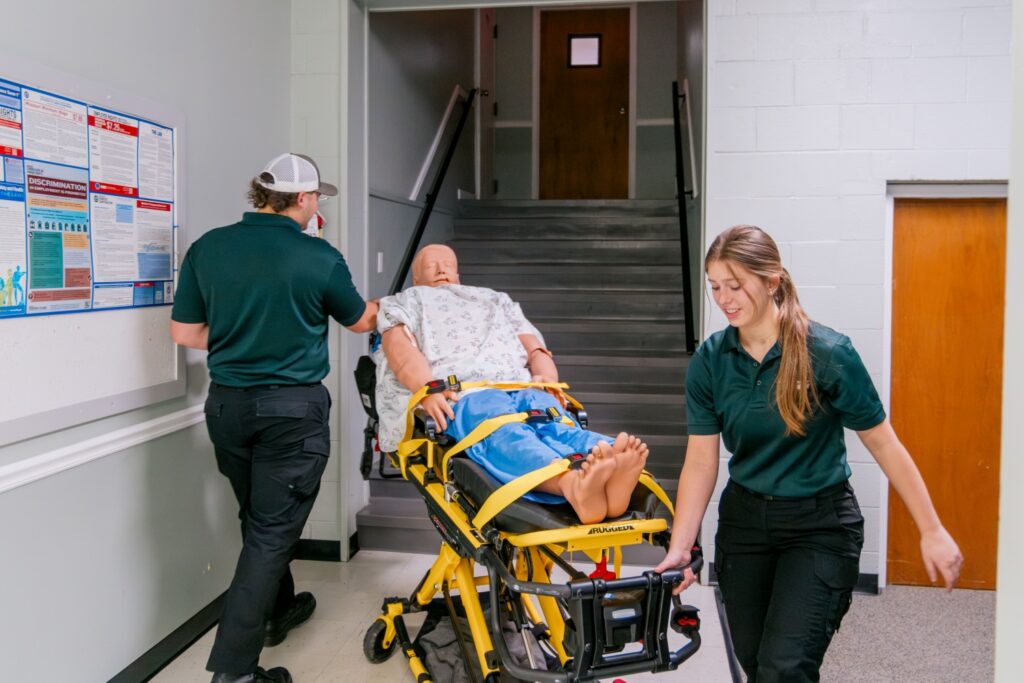
Experiential Learning, Real-World Impact
Students enrolled in clinical components of the paramedicine program must fulfill additional requirements, including: maintaining American Heart Association Healthcare Provider certification, passing criminal background checks, completing negative drug screenings, and obtaining physical examination clearance confirming their ability to meet paramedic functional requirements. Proof of required immunizations is also mandatory.
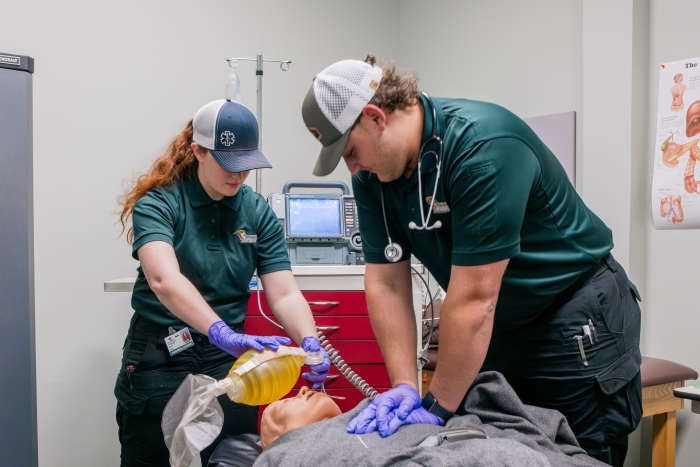
Careers in Paramedicine (BS)
Paramedics serve as the primary advanced medical providers and team leaders for pre-hospital care and public safety emergency response across the United States.
Those pursuing a bachelor’s degree in paramedicine train to become advanced life support providers within Emergency Medical Services (EMS), working alongside or as integral members of law enforcement, fire-rescue, military, and emergency communications teams to deliver essential public safety services. Graduates with a degree in paramedicine are qualified to provide sophisticated medical care in various settings, including hospitals, workplace environments, patient residences, and challenging remote locations
Frequently Asked Questions
Students enrolled in clinical components must maintain American Heart Association Healthcare Provider certification, pass criminal background checks, complete negative drug screenings, and obtain physical examination clearance confirming their ability to meet paramedic functional requirements. Proof of required immunizations is also mandatory.
The Bachelor of Science in Paramedicine is a comprehensive four-year degree program requiring approximately 120 credit hours. For the Traditional Track, students complete prerequisite coursework in their early years before applying to join a paramedic cohort.
Graduates serve as primary advanced medical providers and team leaders in pre-hospital care and public safety emergency response. They work as advanced life support providers within Emergency Medical Services (EMS), collaborating with law enforcement, fire-rescue, military, and emergency communications teams. Career settings include hospitals, workplace environments, patient residences, and challenging remote locations.
Students complete 12 credit hours of electives from specialized options including Evidence-Based Practice, Adult Education courses, Community Paramedicine, Critical Care Paramedicine, and Public Health courses such as Health Policy and Introduction to Epidemiology. This allows you to develop expertise in areas like EMS leadership, education, critical care, or community health.